
#81 April 8, 2026
“The Marriage of Figaro” and the Tightrope Walk
It is said that modern opera began with Mozart’s “The Marriage of Figaro” (1786). The fact that this was three years before the French Revolution (1789), which is considered the beginning of the modern age, is not the only reason. Opera, which originally started as entertainment for the royal court, underwent a transition into theatrical performances for the citizenry through “Figaro.” It is this transition that marks the start of the modern age of opera.
I was asked to design the stage for “Figaro” by Tokyu Bunkamura. The fact that my first-ever stage design for an opera was for “Figaro” made me feel a sense of destiny.
First, it is important to examine the essence of opera itself. I think it was a criticism of the royal court expressed through a courtly format. This was virtually like walking on a tightrope. In fact, the response to “Figaro,” which incorporated a blistering criticism of the royal court, was split between being banned and achieving massive success, depending upon the city where it was presented. This episode demonstrates how much of a tightrope walk modern opera truly was.
Opera functioned as a device to “let off steam” in civil society. This very act of “letting off steam” was an important link between civil society and the arts. When you watch “Figaro,” it is clear that Mozart perfectly understood this function. Because he had one foot firmly rooted in royal court culture, he understood how the tension of this tightrope walk enchanted people, making opera the greatest entertainment of civil society.
Architects undoubtedly face that kind of tightrope walking on a daily basis. They open up and liberate architecture by critiquing the privileges of clients, even while being supported by them as patrons. This tightrope walking is the essence of the profession, its real thrill, and its social significance.
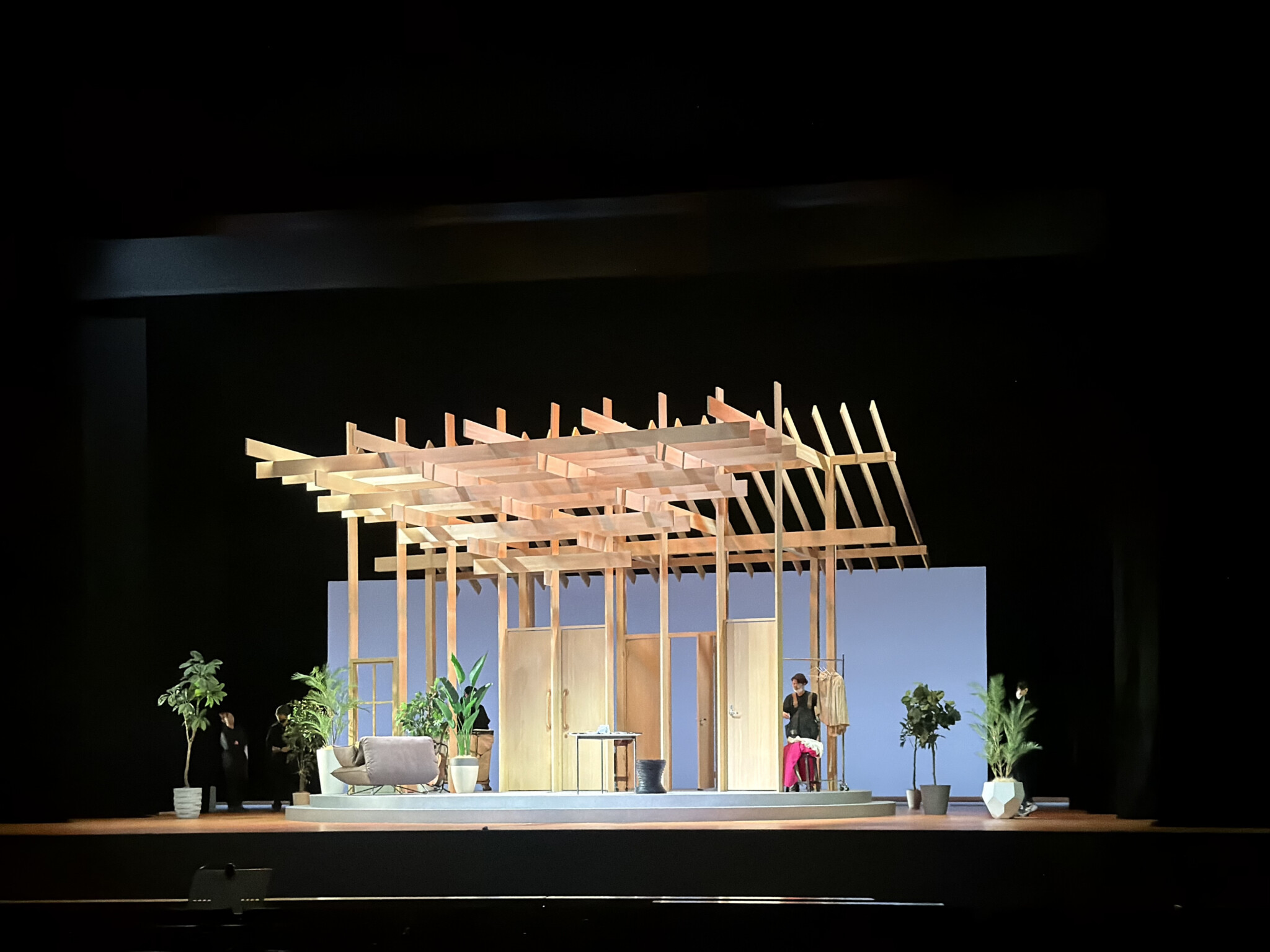
The tightrope walk I attempted for this "Figaro" was to use my own design for The Capitol Hotel Tokyu as the motif for the stage set. The basic configuration of “Figaro” is centered on the Count’s estate as its setting, and its underlying criticism of royal court culture. Substituting The Capitol Hotel Tokyu—the flagship hotel of the Tokyu Group, the opera's sponsor—for the Count's estate was a tightrope walk that required a great deal of tension.
In a sense, hotels are even more deeply entangled in the web of systems and power than the residences of the aristocracy, symbolizing the very structures of contemporary society. Because of this, setting “Figaro” in a hotel was not only significant but also deeply compelling.
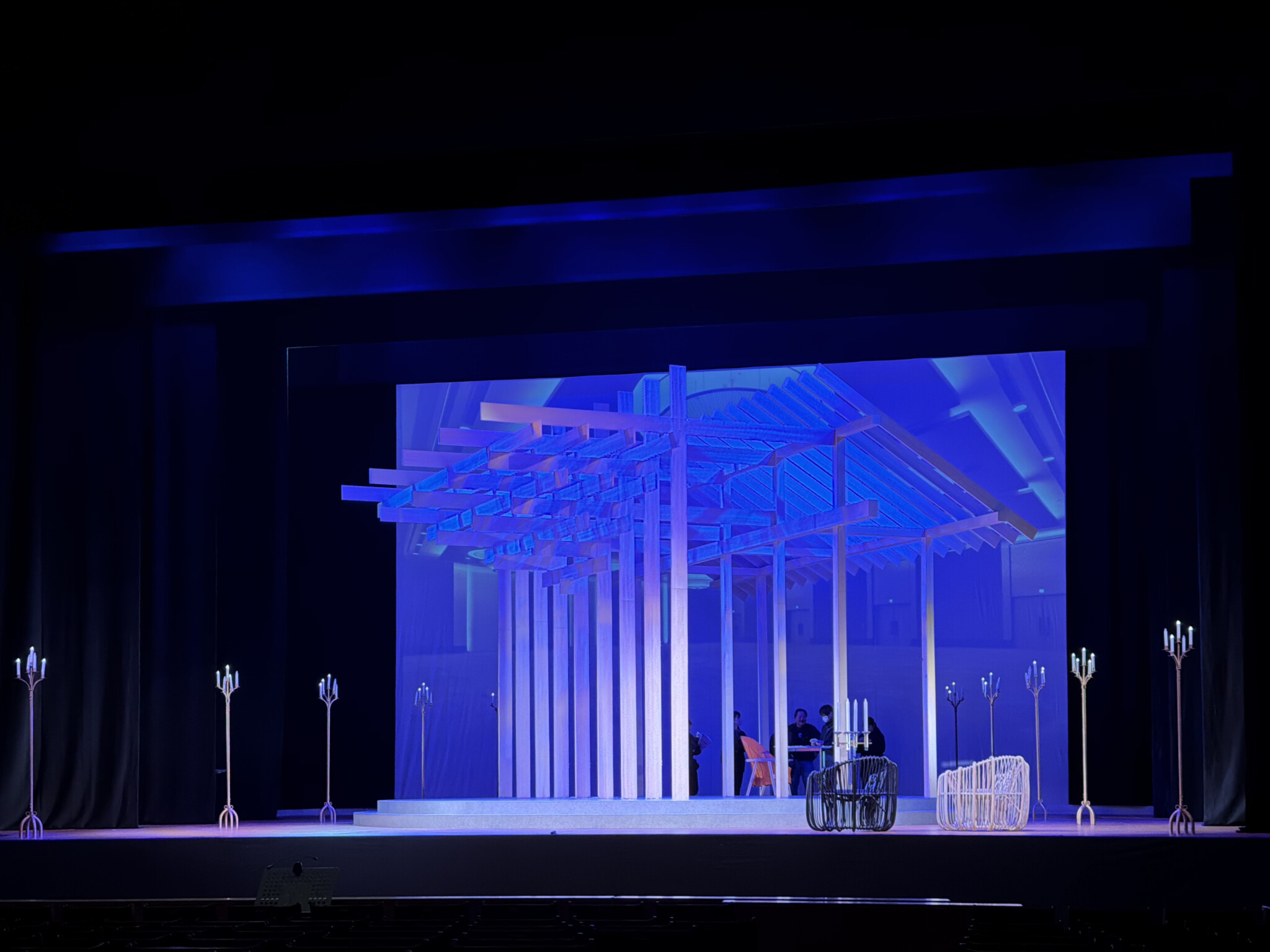
Fortunately, the audience's reaction on opening night exceeded my expectations. I heard many excited comments that the opera felt as if it belonged to Japan, rather than being something strictly Western. This suggests that the tightrope walk we attempted resonated with the people of contemporary Tokyo. And this act is not just a daily reality for artists; every individual in the modern world continues to walk a tightrope between society, their organizations, and themselves.
I believe that the courage to walk a tightrope is what is necessary for the theatrical format of opera to survive in contemporary civil society. It was a fruitful night in which I reaffirmed this fact.

ProjectsShiwa Shiwa
 We designed the scenography for Giuseppe Verdi's opera “Simon Boccanegra” at the Teatro di San Carl in Naples, the world's oldest opera house (opened 1737). We set the stage with undulating swaths of fabric hung from above. This flowing material captures the atmosphere of the sea of Genoa where the … Read More
NewsKengo Kuma Documentary Film “particle dance” Now Showing
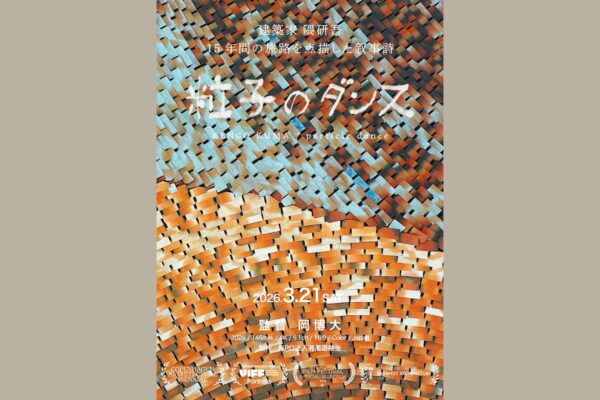 We are pleased to announce that the documentary film “particle dance” featuring Kengo Kuma will be released on Saturday, March 21, 2026, at Theatre Image Forum (Shibuya, Tokyo). For more details, please visit the official website. 【Film Overview】 Title: particle dance Year: 2025 | Japan | 145 minute … Read More