Tirana Arts Garden
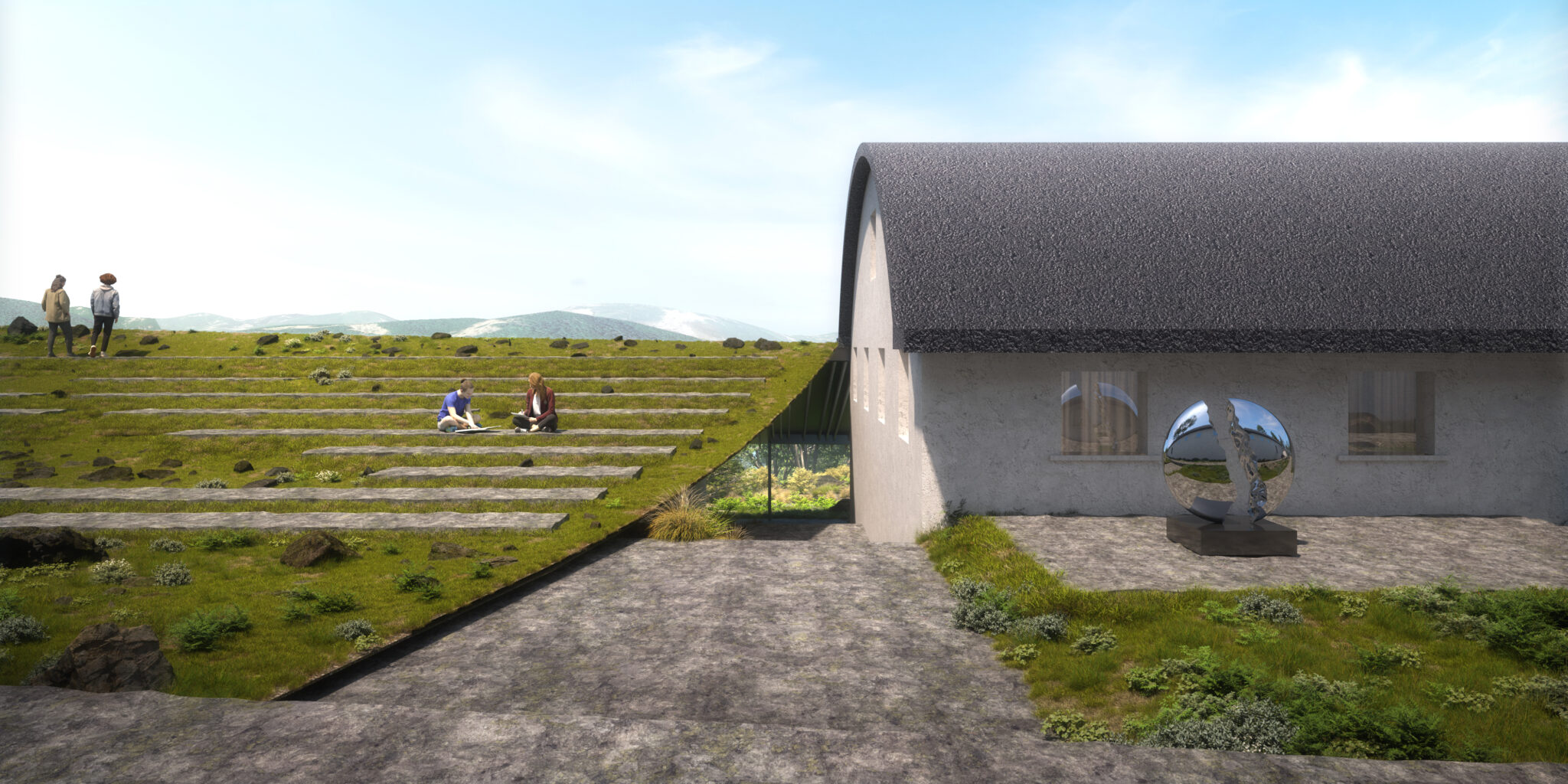
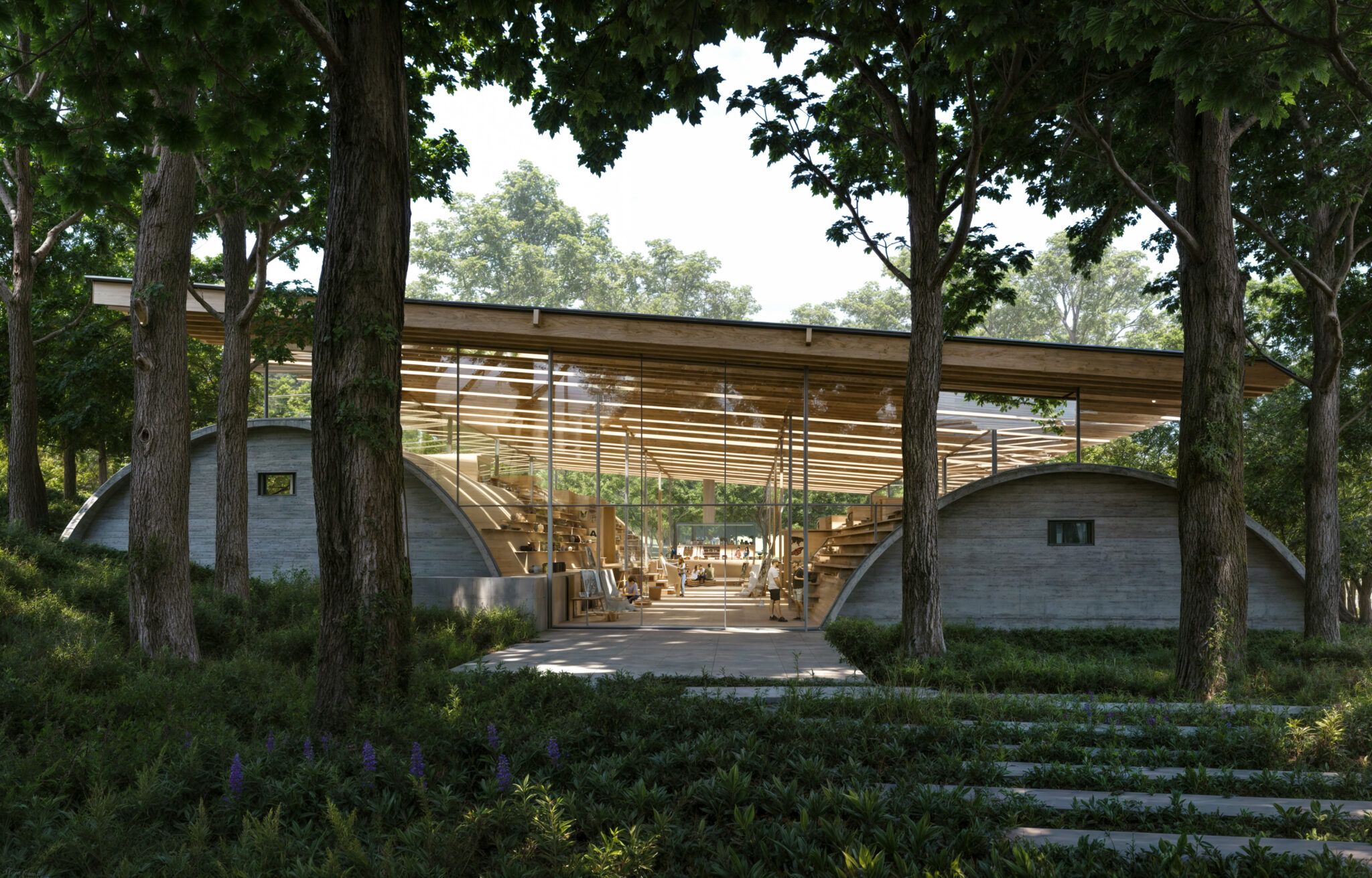
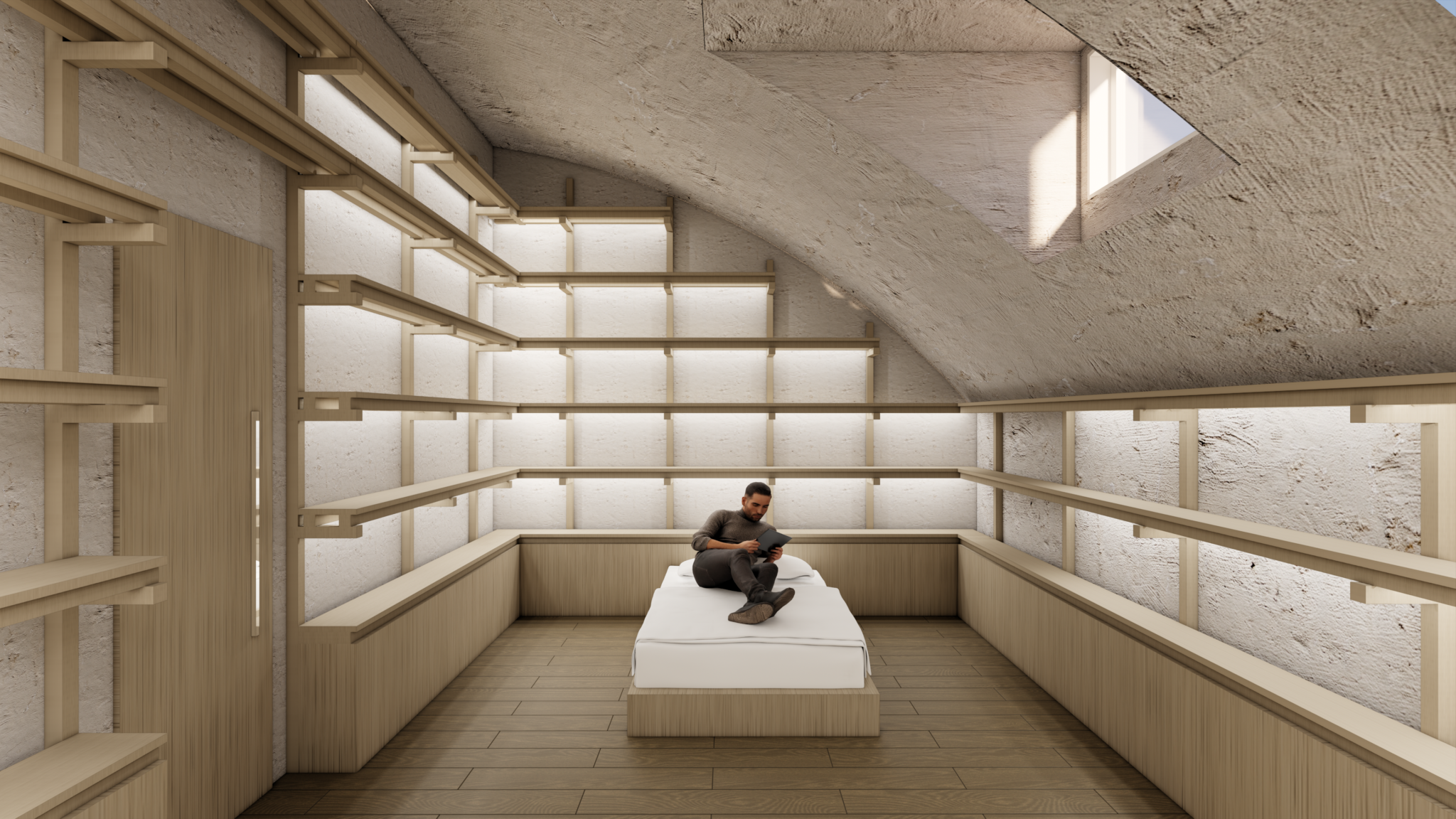
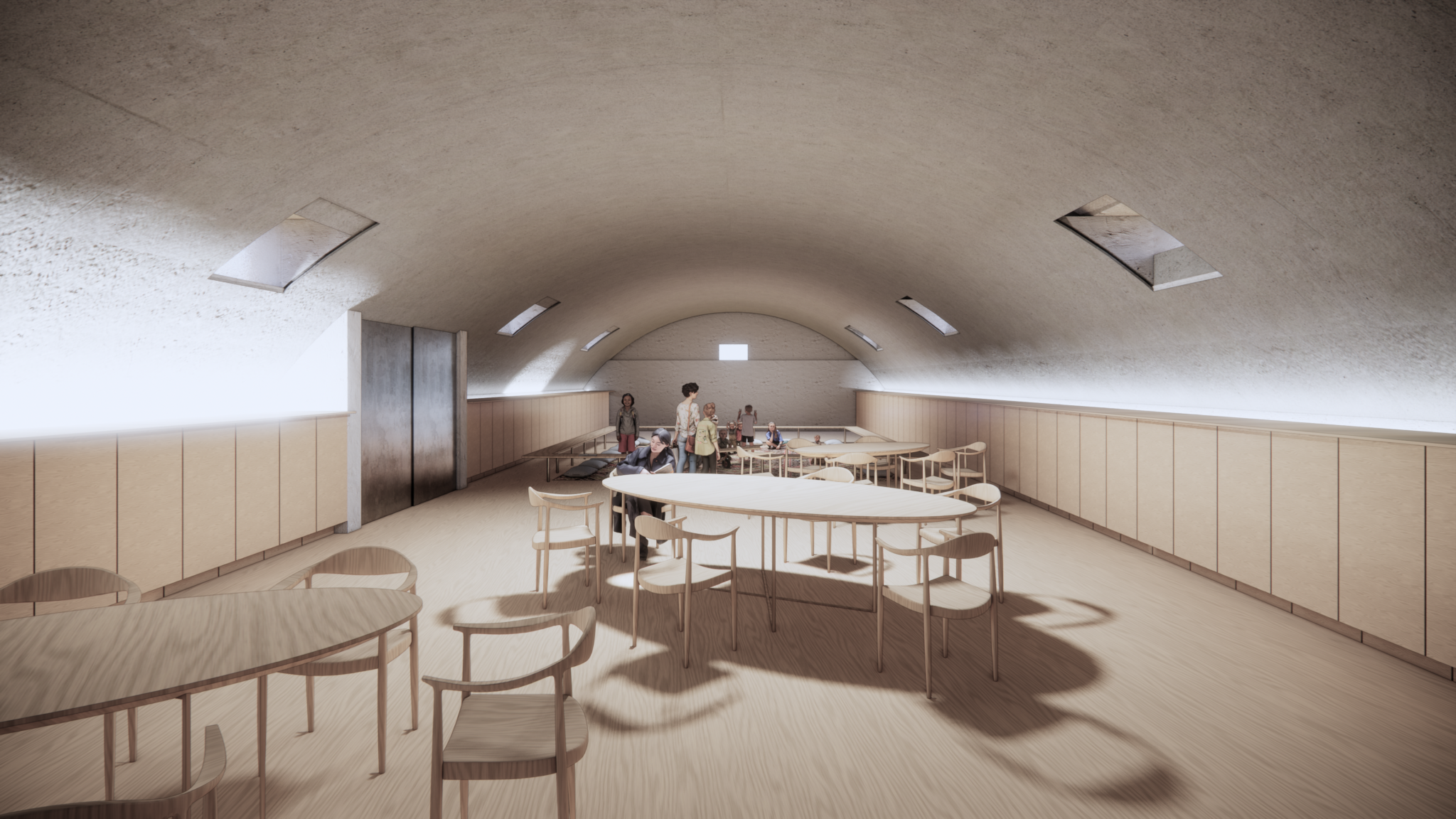
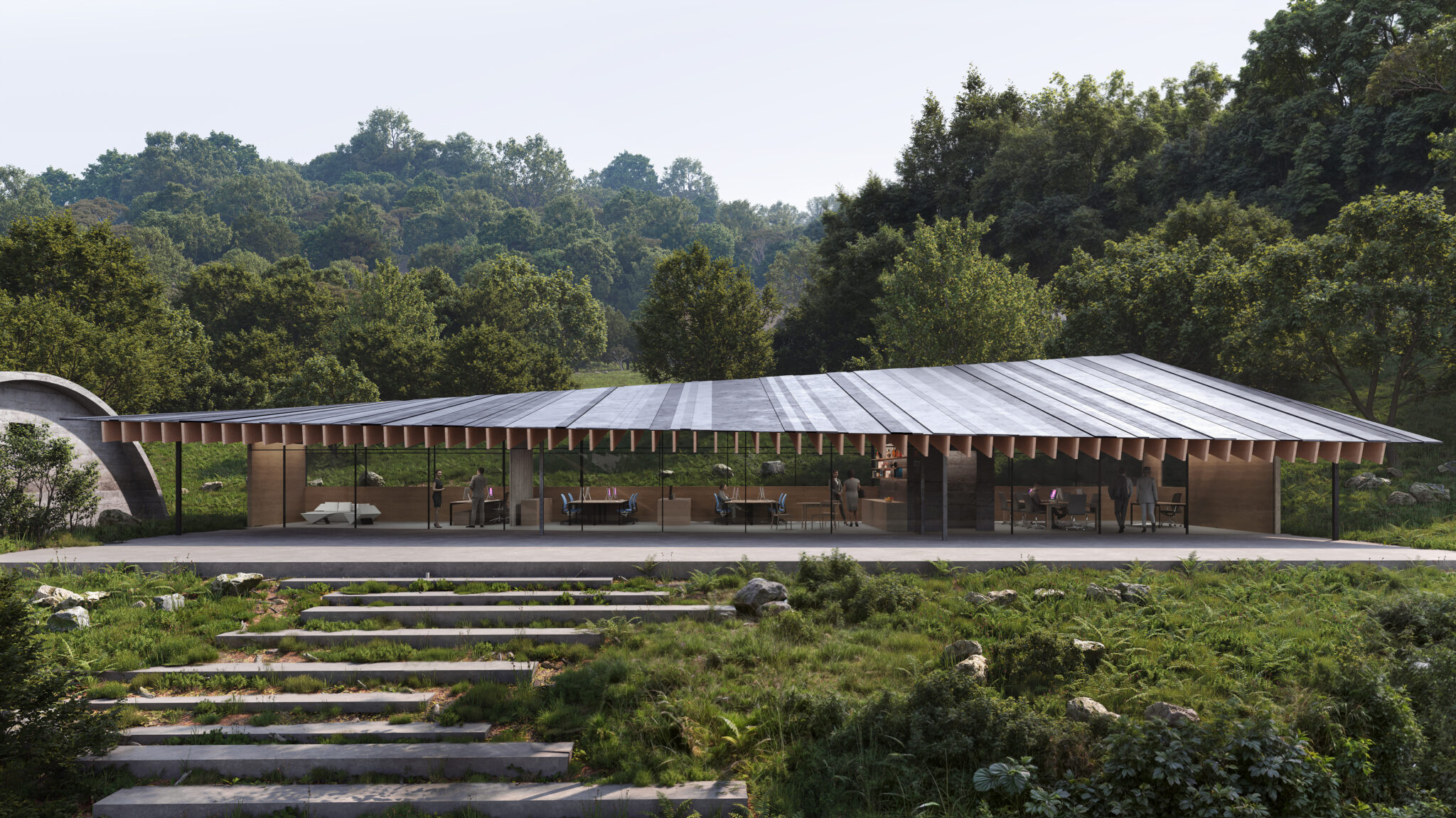
The original site consisted of several storage buildings associated with twentieth-century military infrastructure. Their tectonic character—elongated volumes capped by arched metal roofs—provided the compositional foundation of the project and established the rhythm of its spatial development.
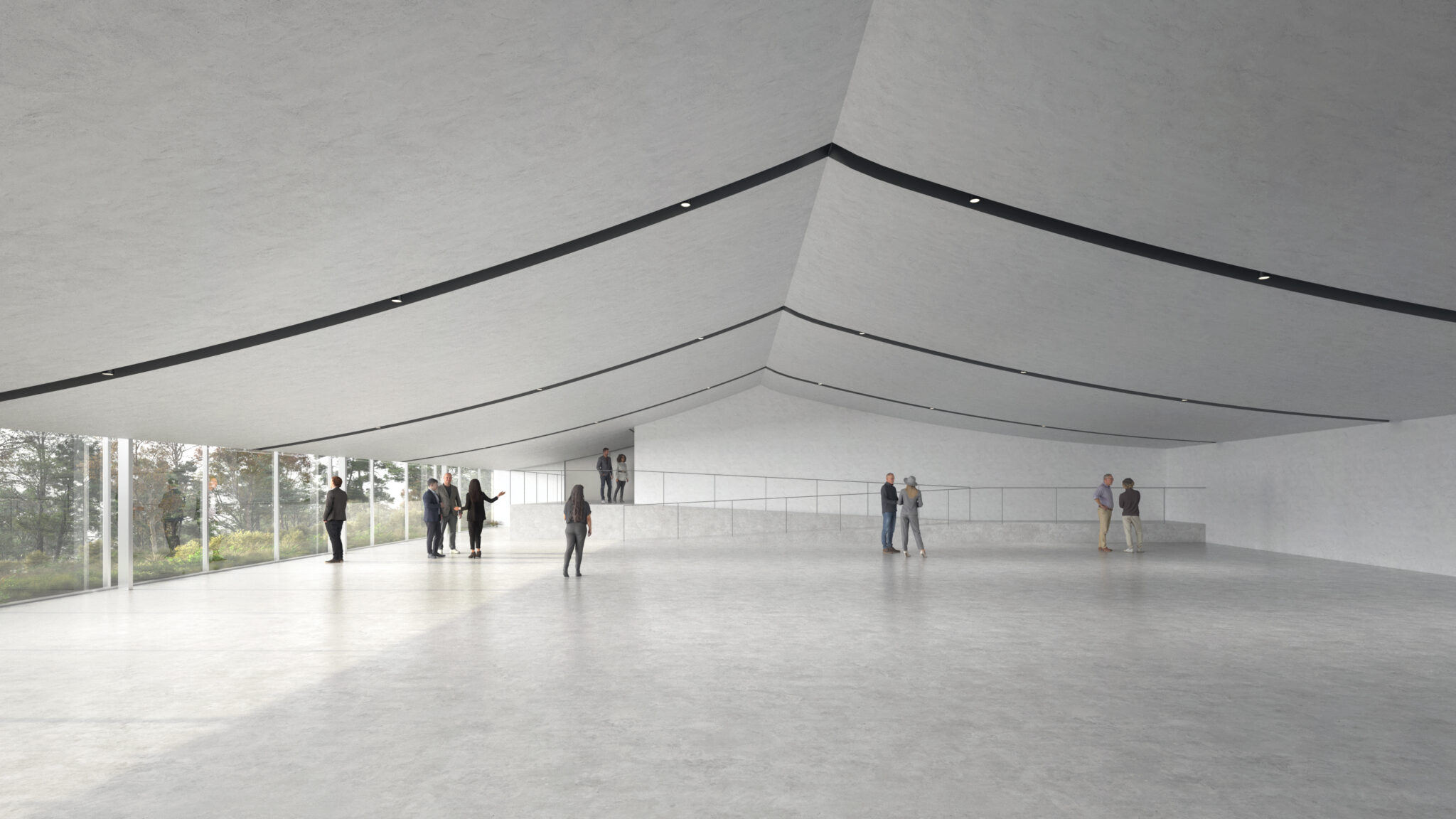
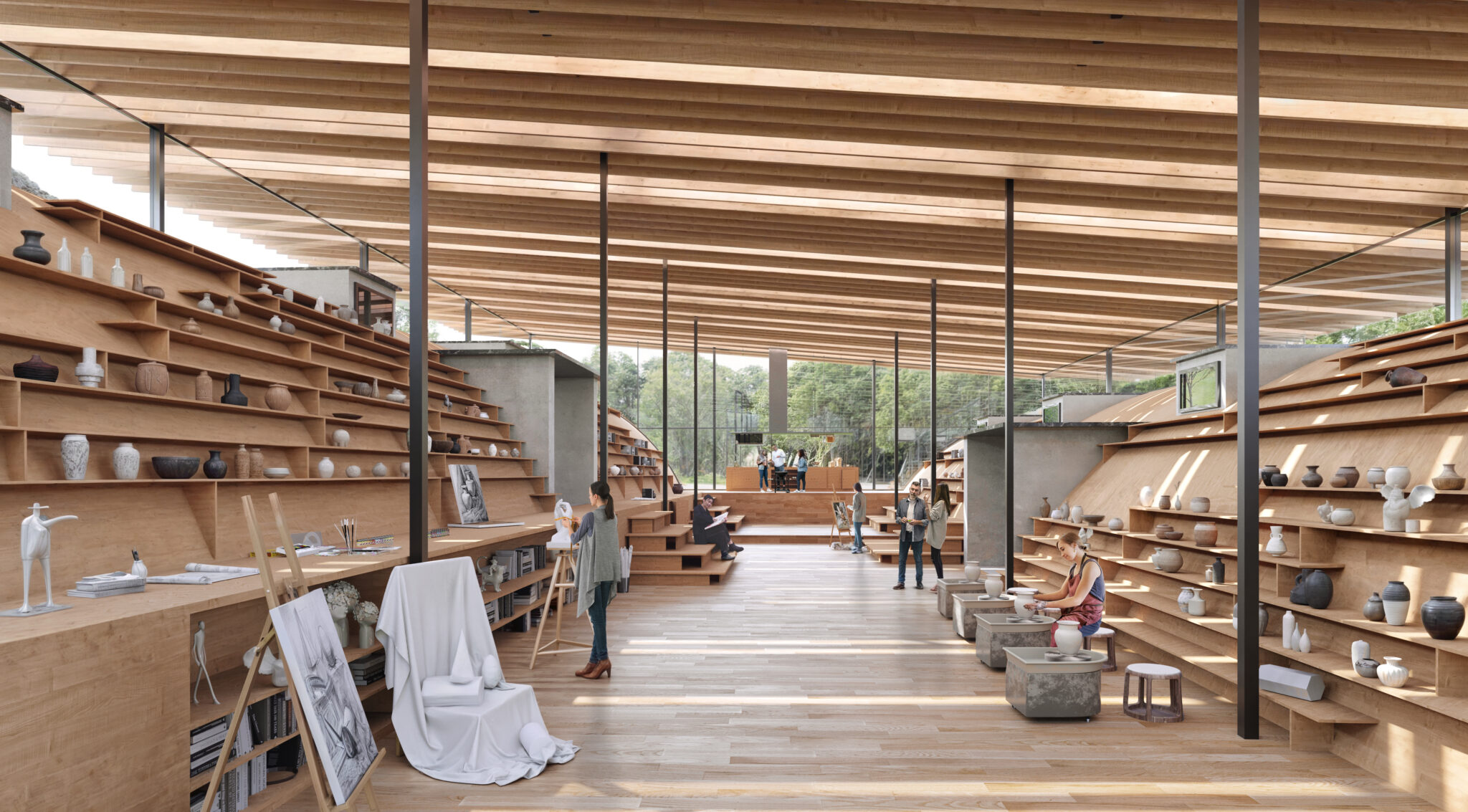
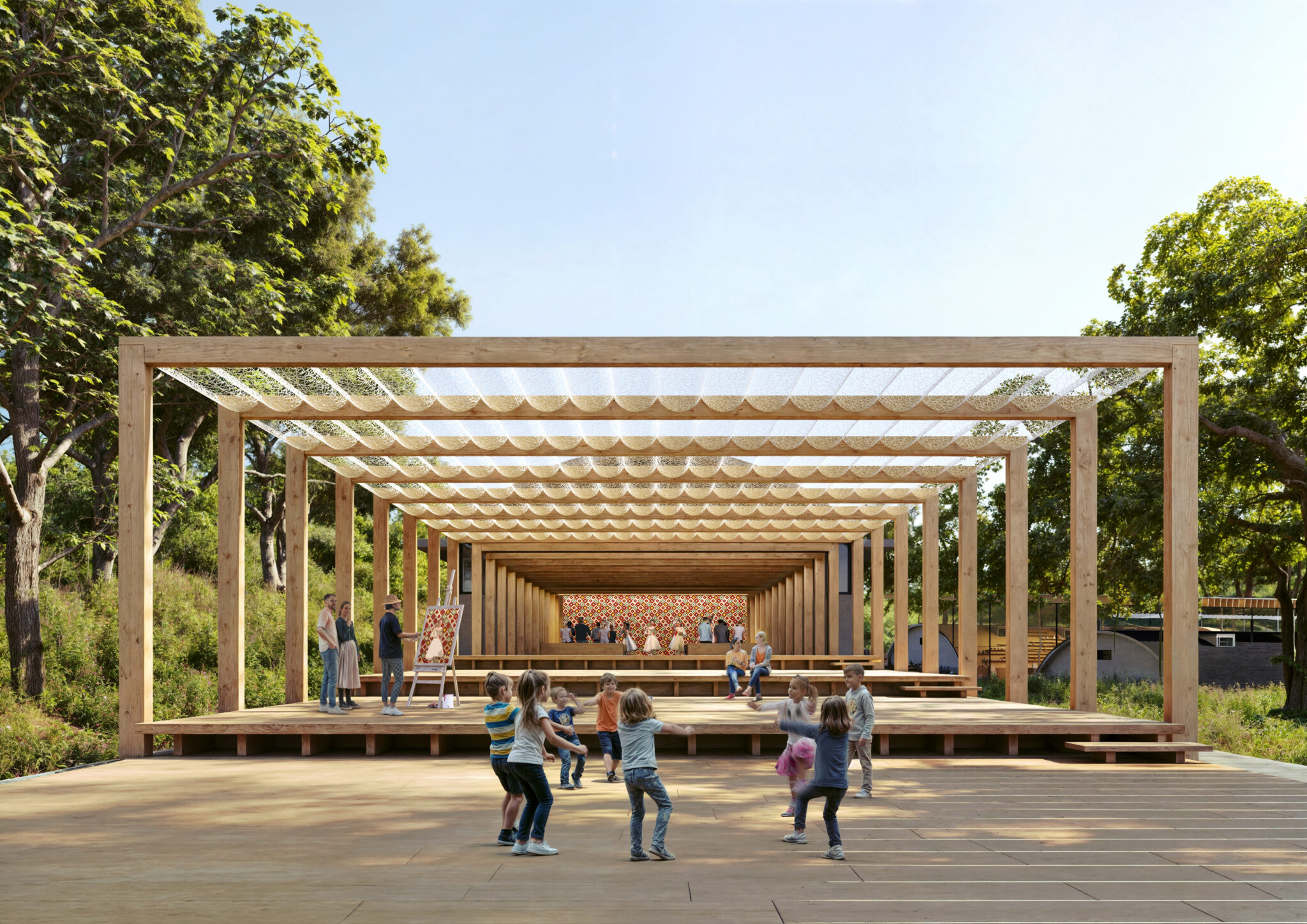
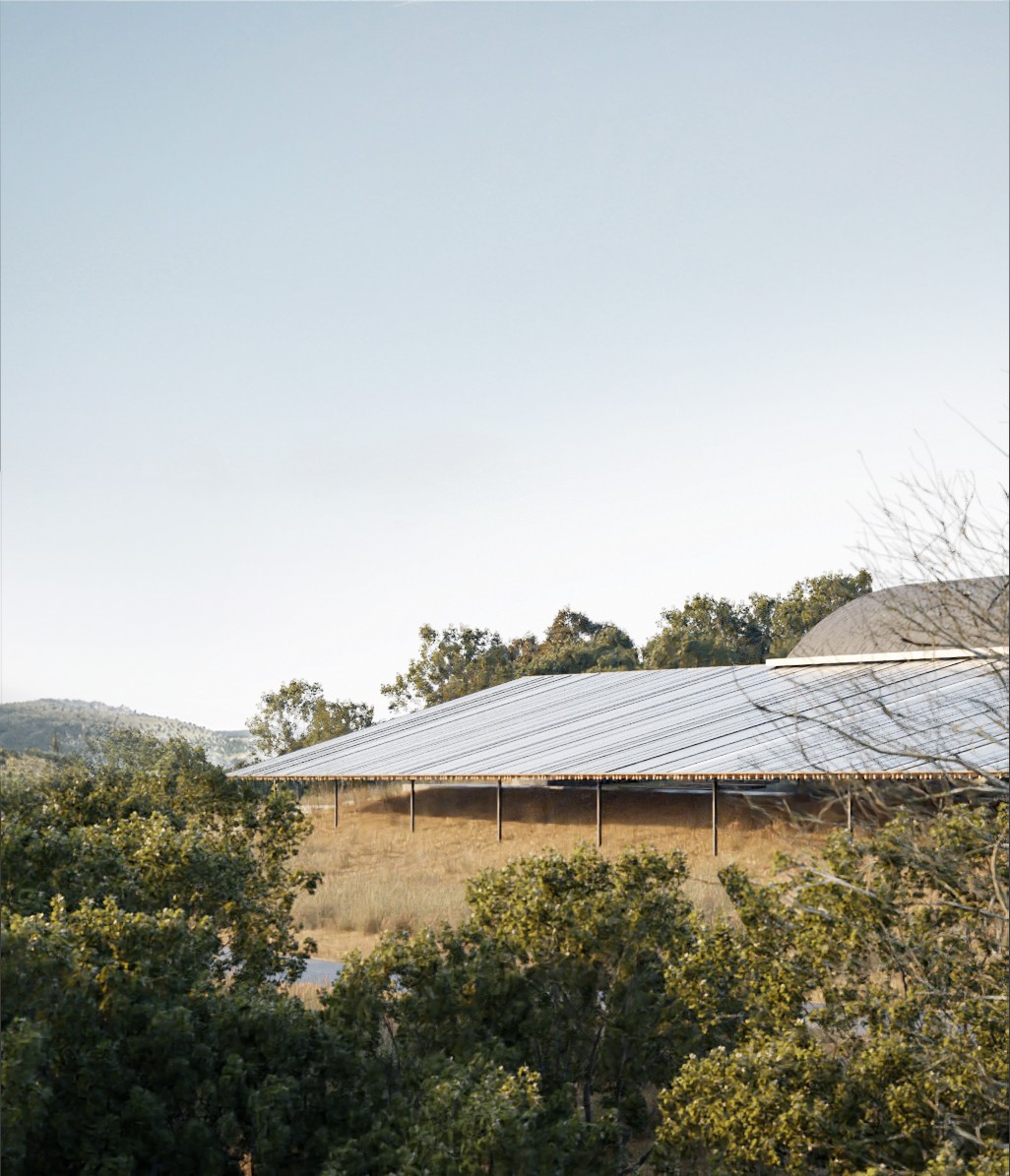
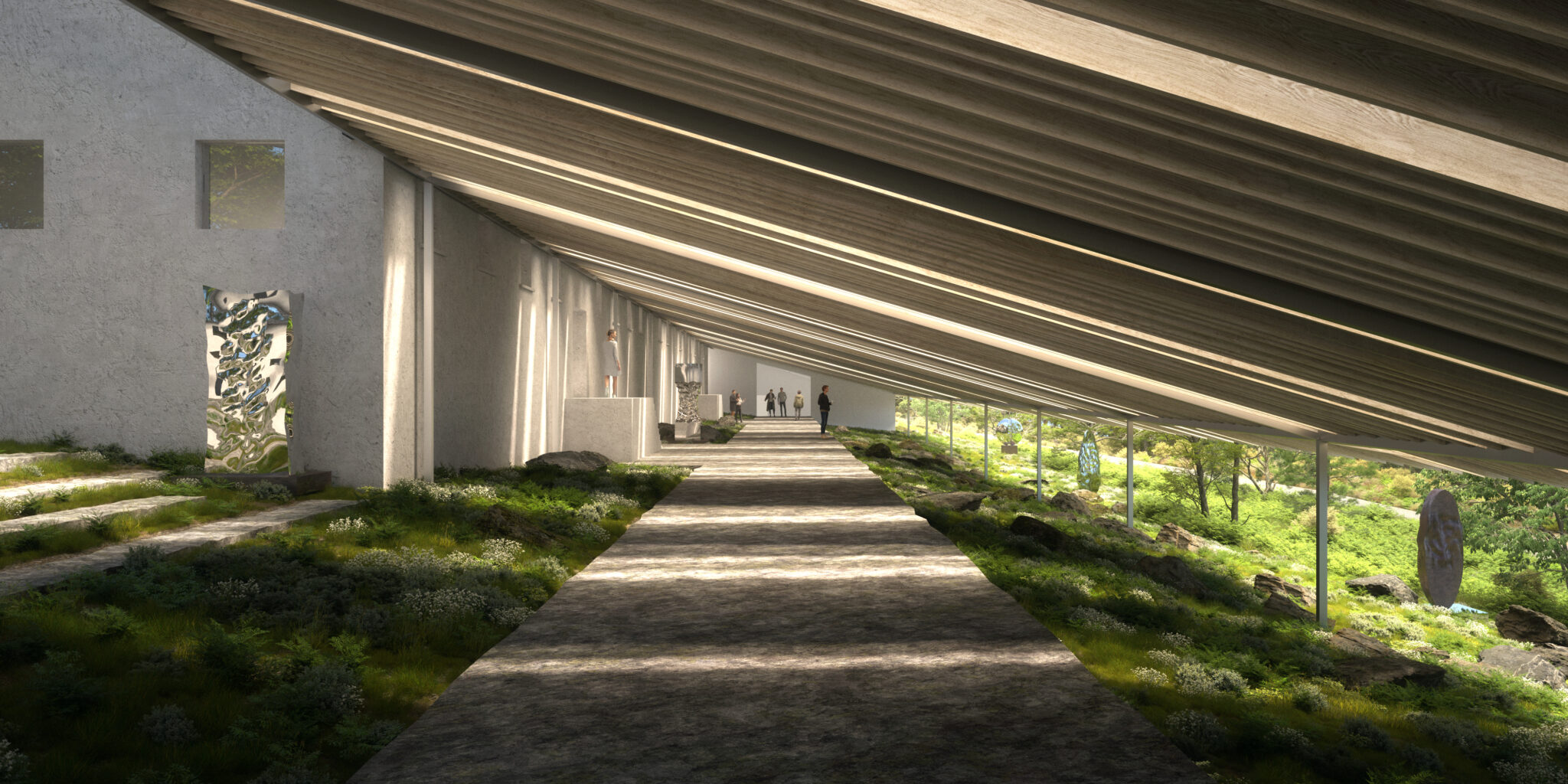
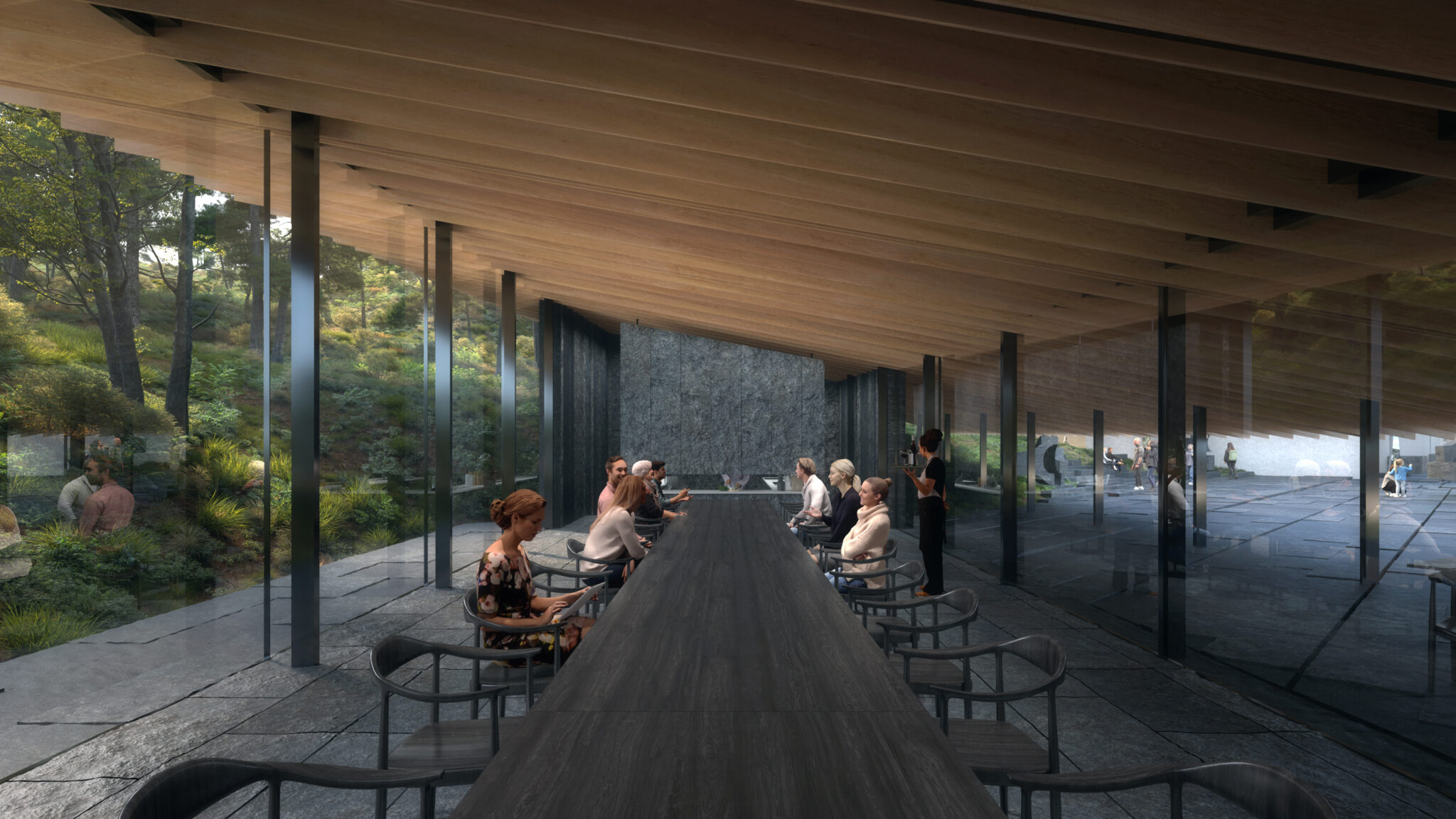
The primary intention was to create a unifying link between these structures through a single architectural gesture: a continuous roof that establishes hierarchy and clearly defines the main circulation spine. Beneath this roof, a sequence of indoor–outdoor spaces unfolds, inspired by the Albanian bazaar typology, where spatial rhythm, filtered light, and permeability become the main protagonists of the intervention.
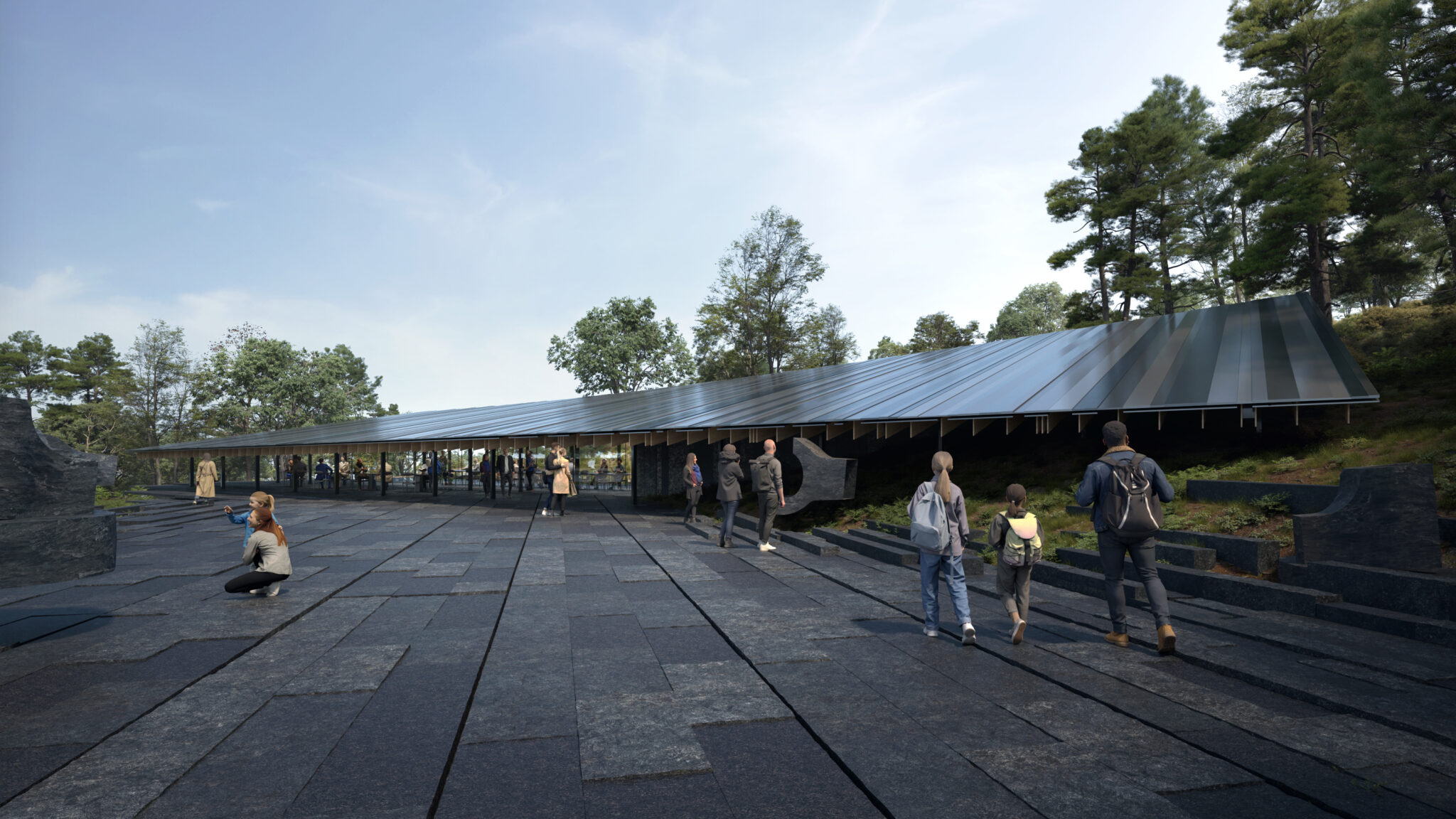
In contrast to the historic structures, the new architectural volumes appear as thin, elongated bodies shaped by topography rather than imposed upon it. While they diverge formally from the original buildings, they do not overpower them, instead establishing a subtle and deliberate dialogue between old and new.
The central ambition of the project is to integrate contemporary functions without erasing historical context or asserting architectural dominance. The site is allowed to evolve through adaptation rather than replacement.