The Capitol Tower Tokyu The Capitol Hotel Tokyu
A sense of unity with the land and interaction with the environment—qualities once inherent to wooden architecture—was sought for restoration within high-rise buildings in the urban core.
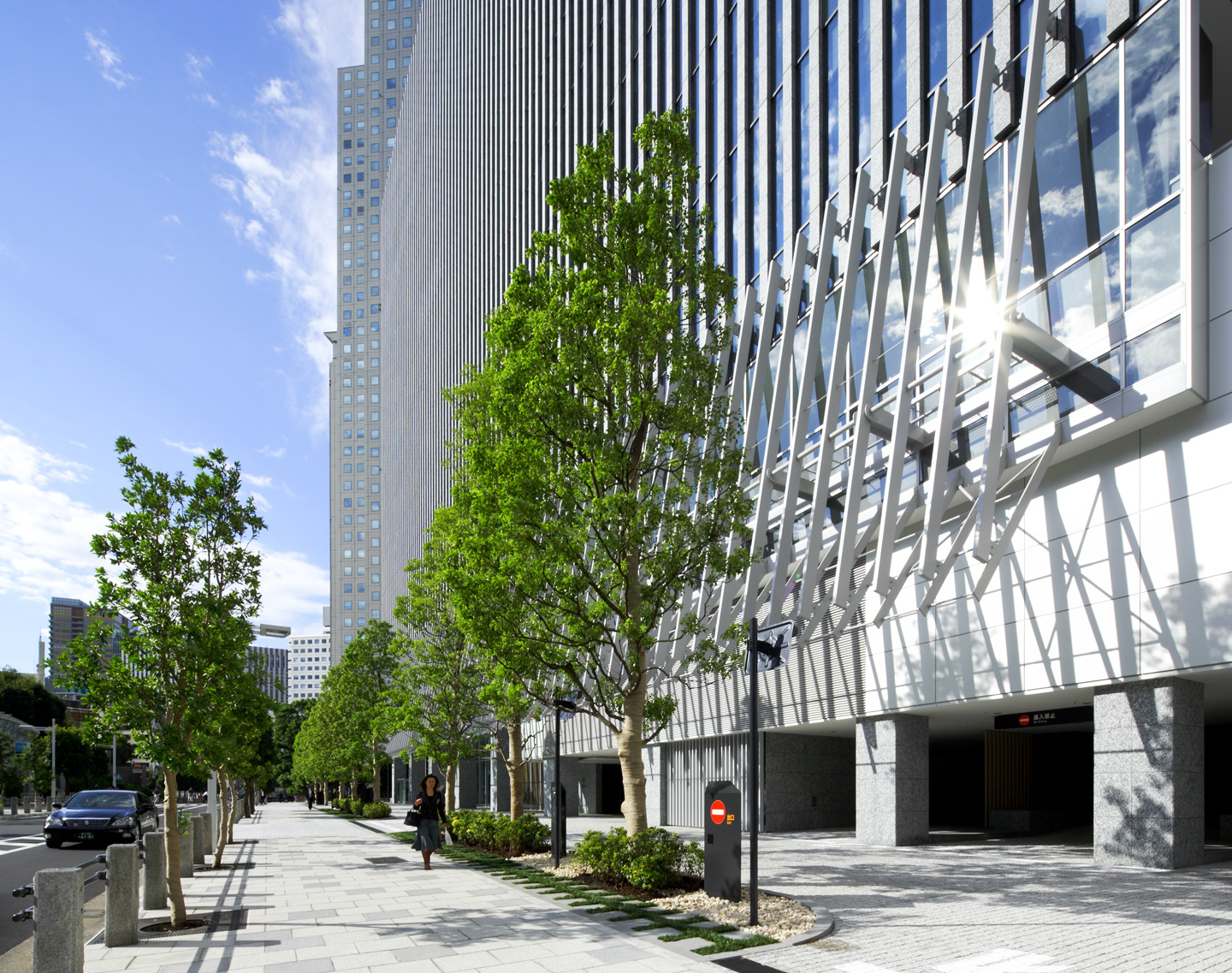
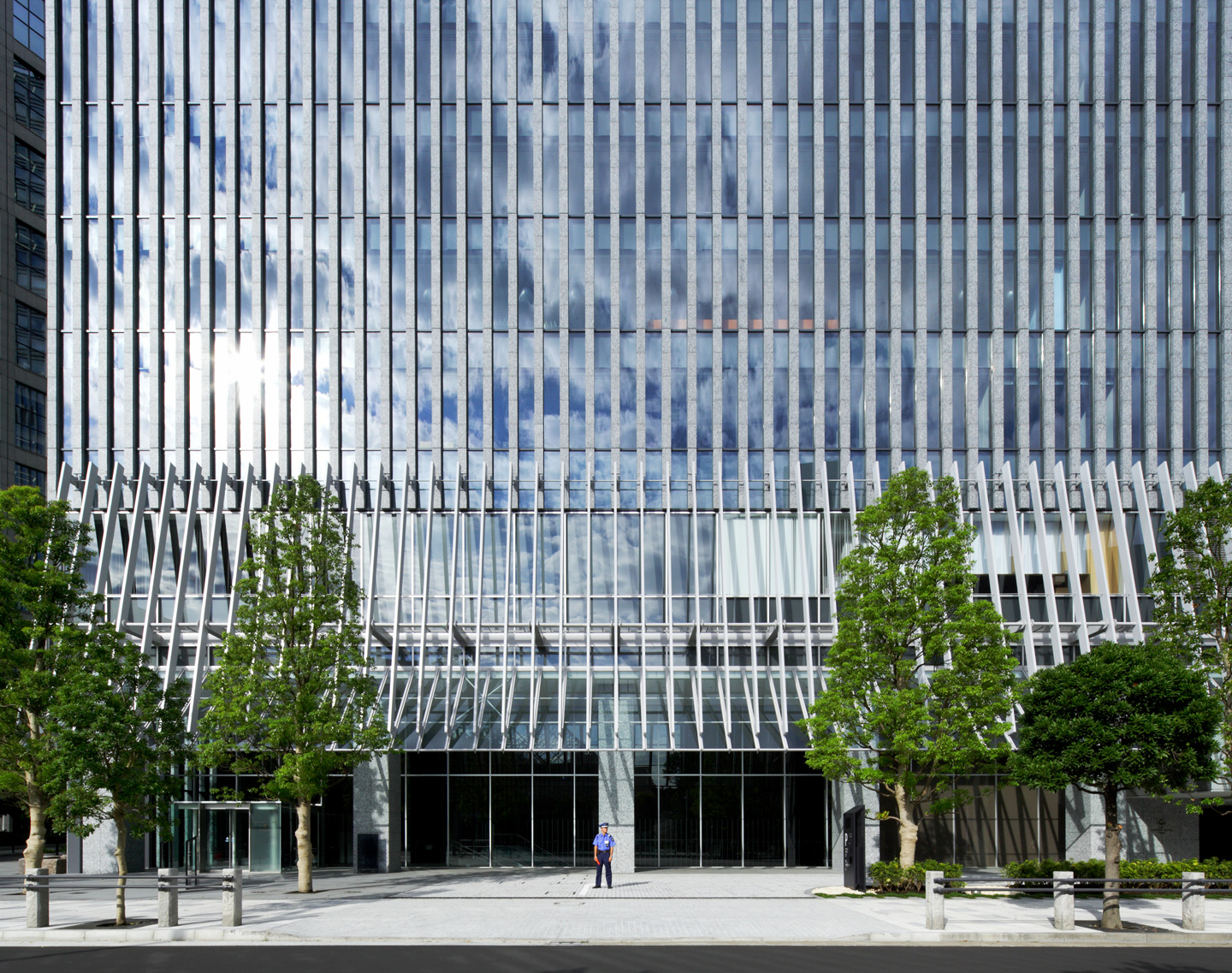
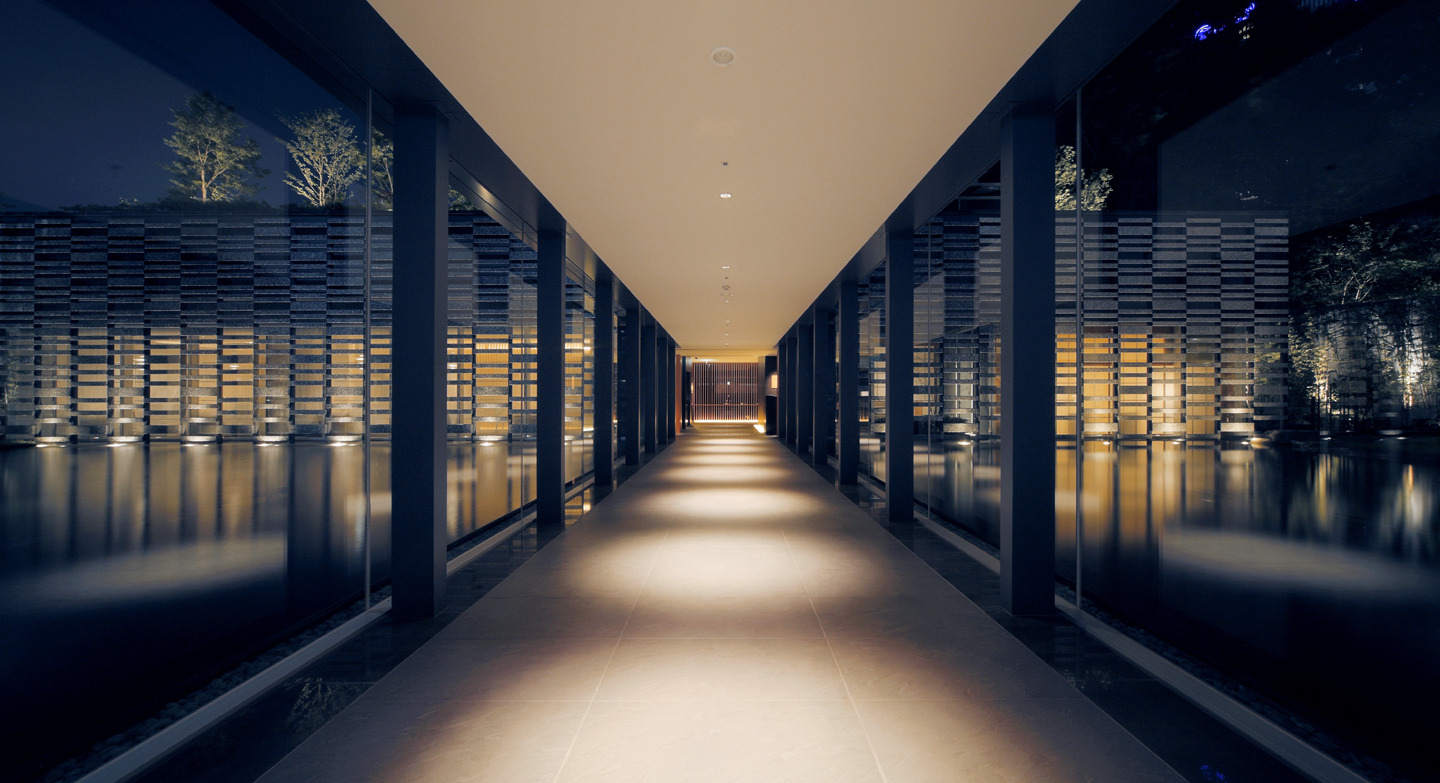
More specifically, the exterior was conceived to be perceived not as a “stone wall,” but as a “lattice of stone.” In order to achieve a delicate façade that is neither a solid mass of stone nor a glass skin, the limitations of conventional precast concrete curtain walls with embedded stone—where securing a member width of 300 mm is difficult—were addressed. As a result, a dry method of attaching stone to an aluminum curtain wall was adopted, making it possible to realize a 300 mm scale.
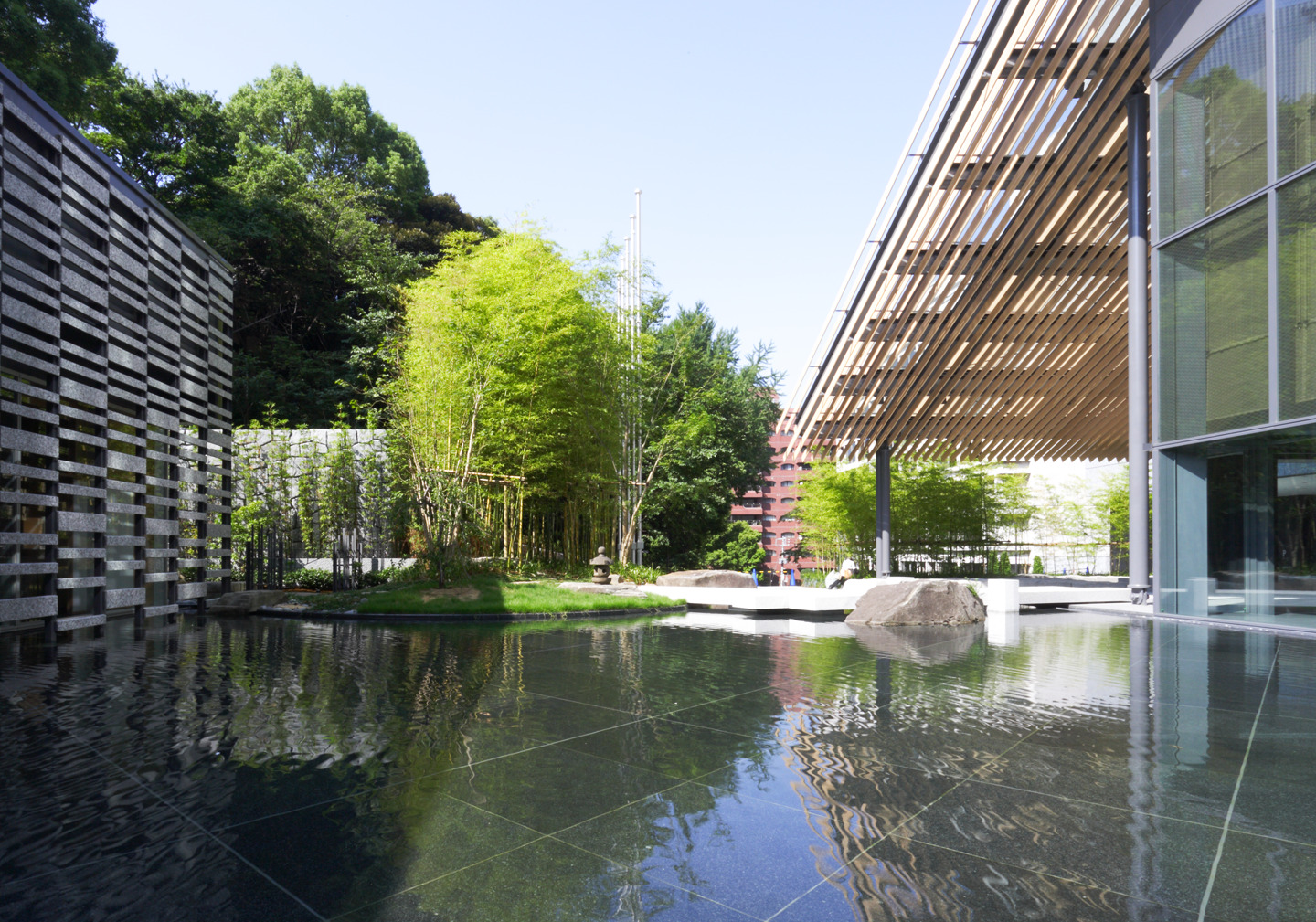
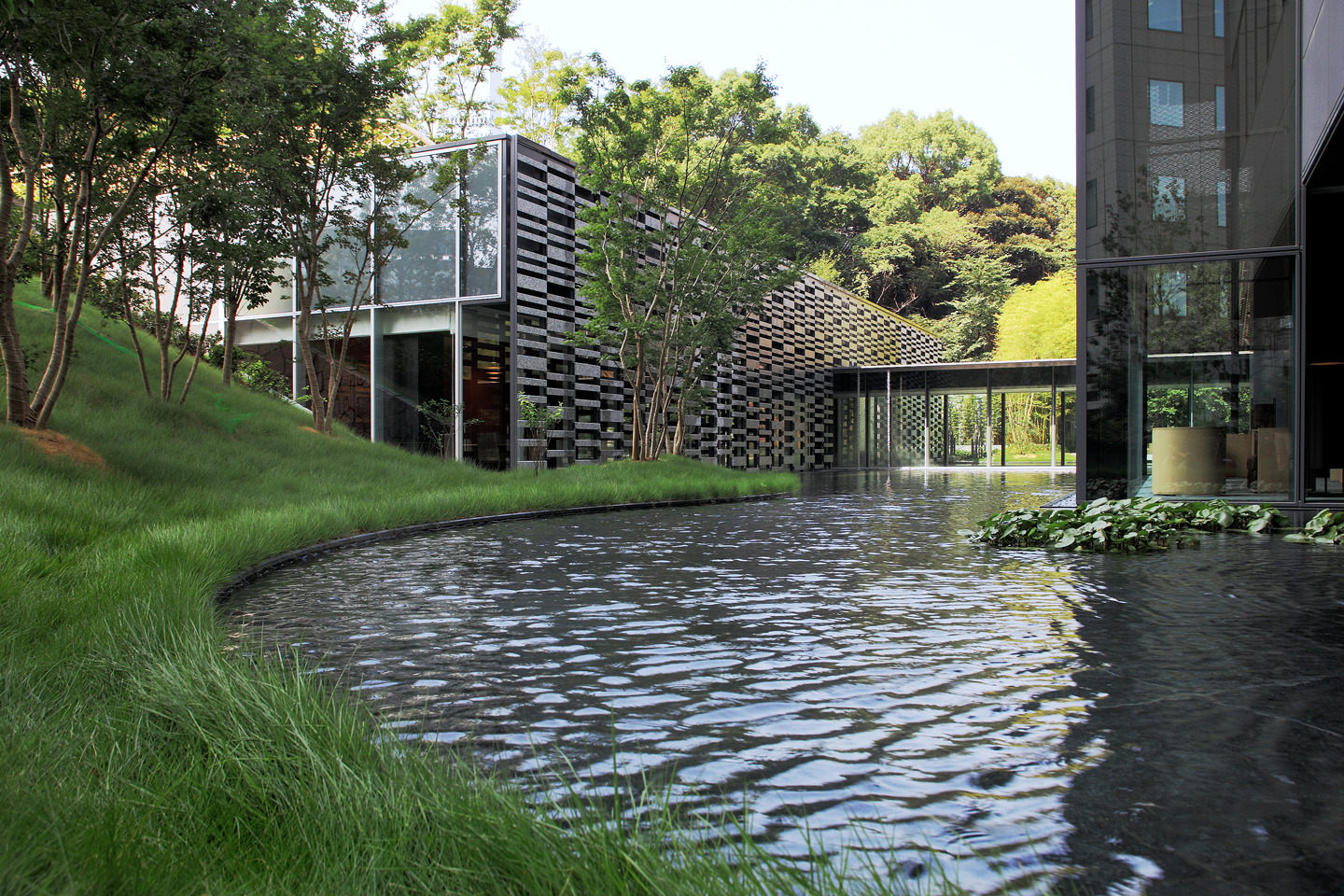
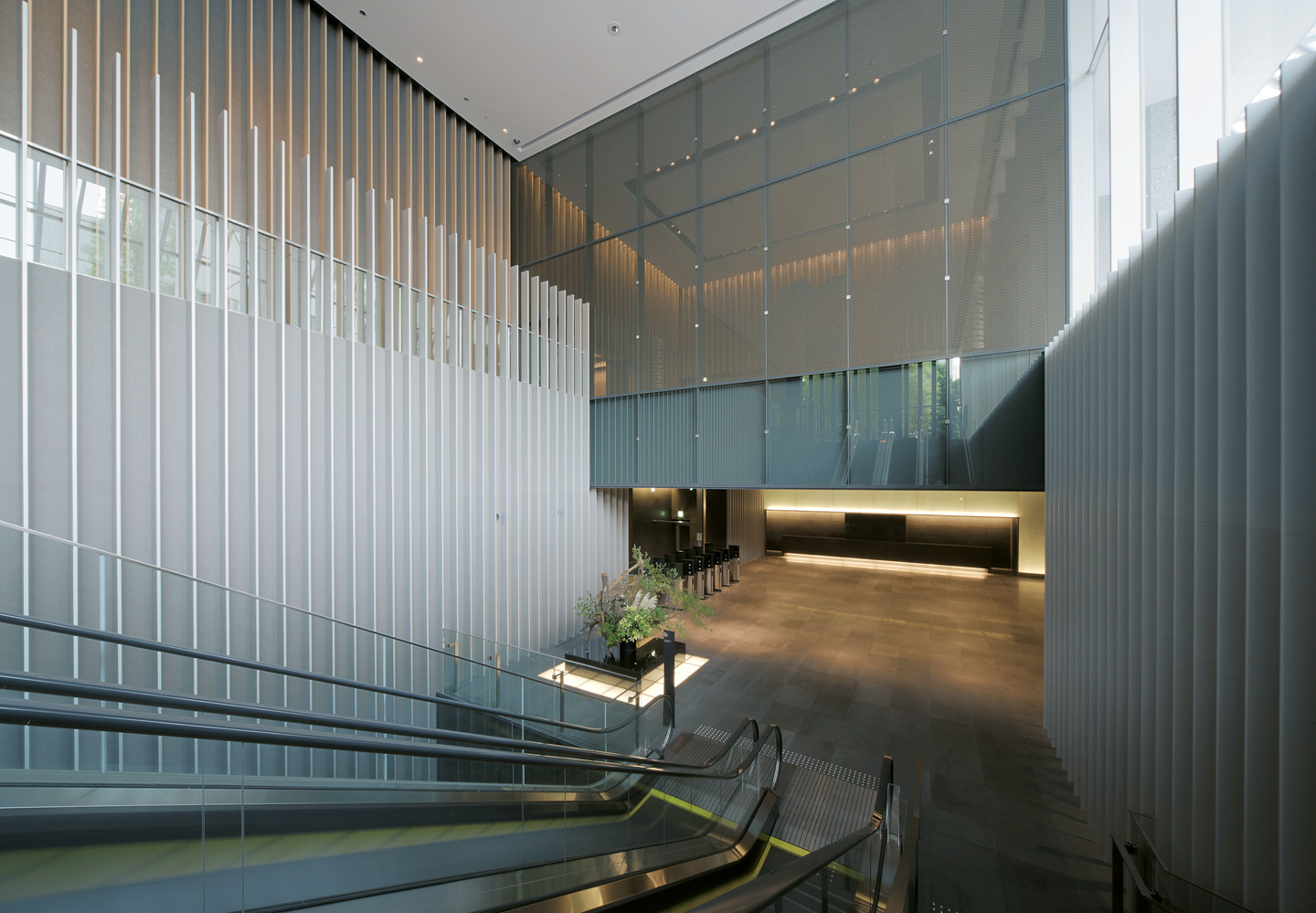
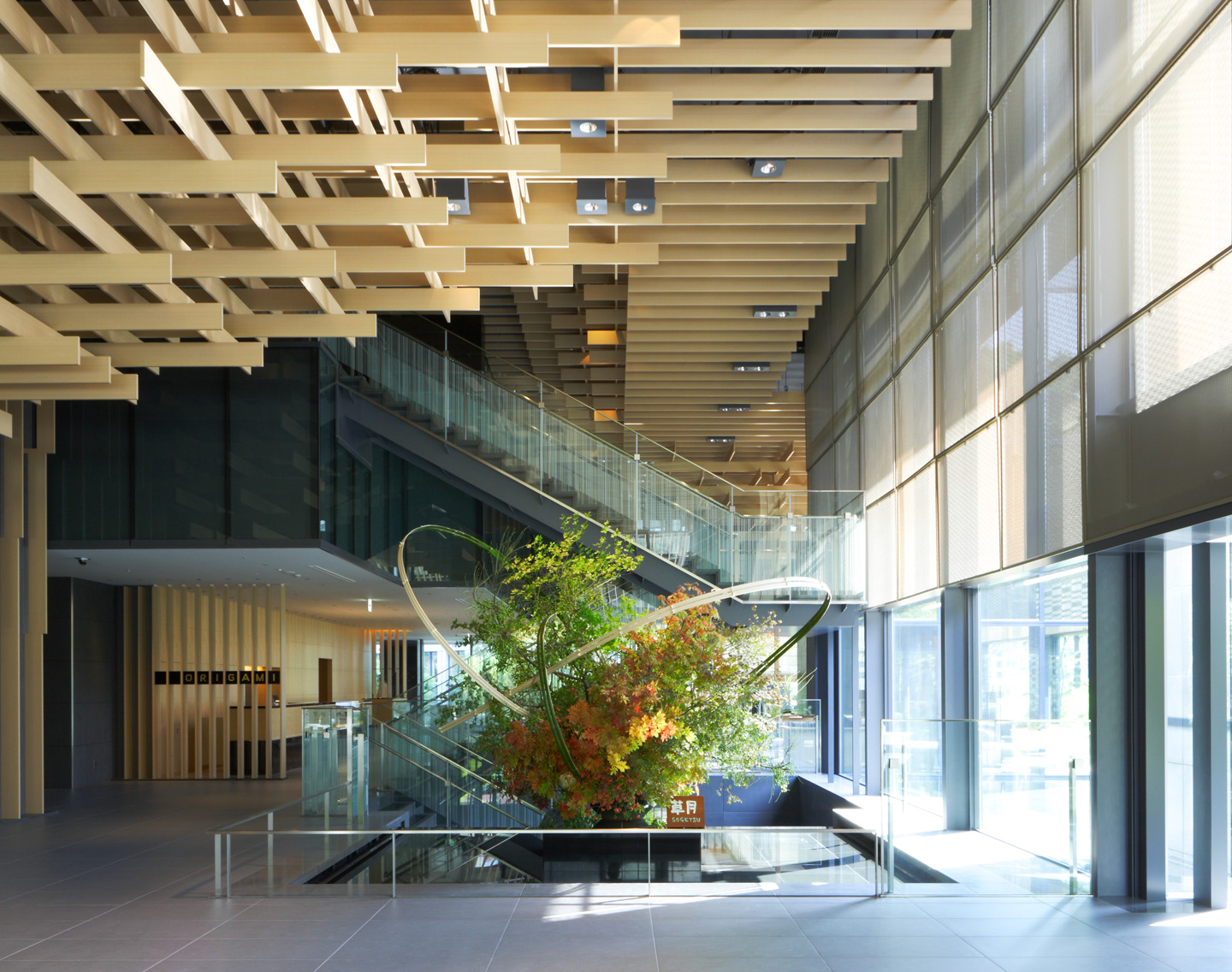
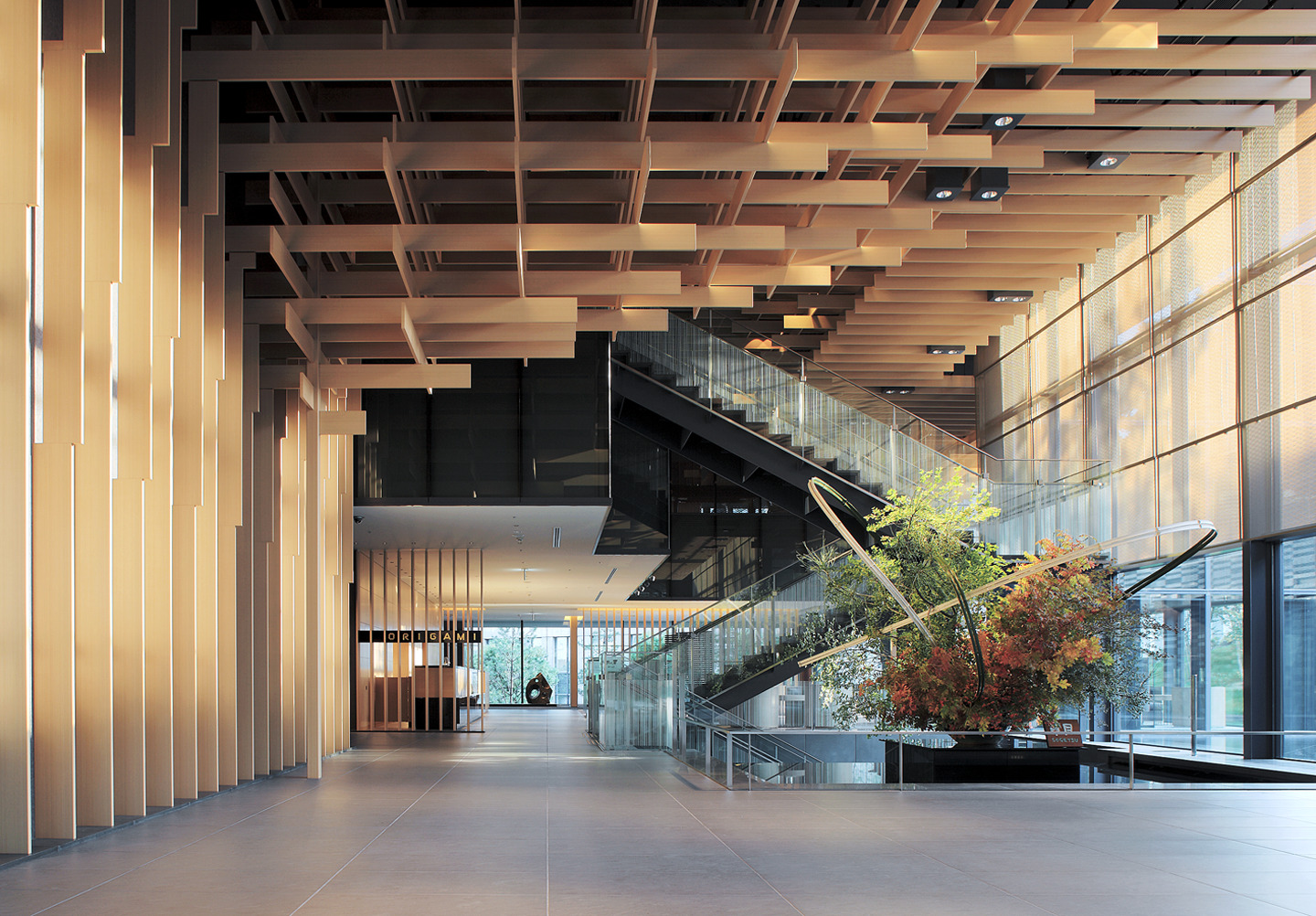
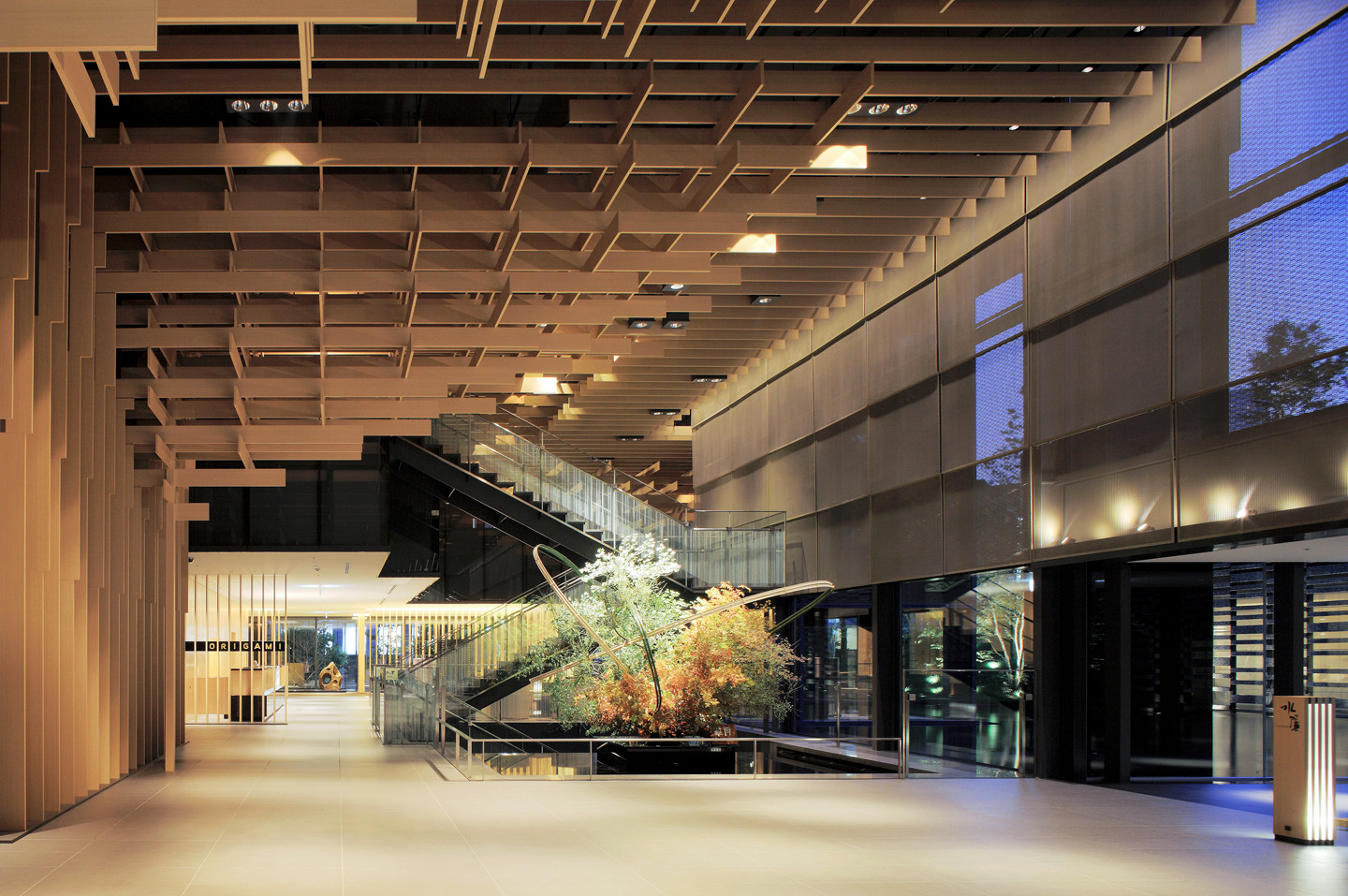
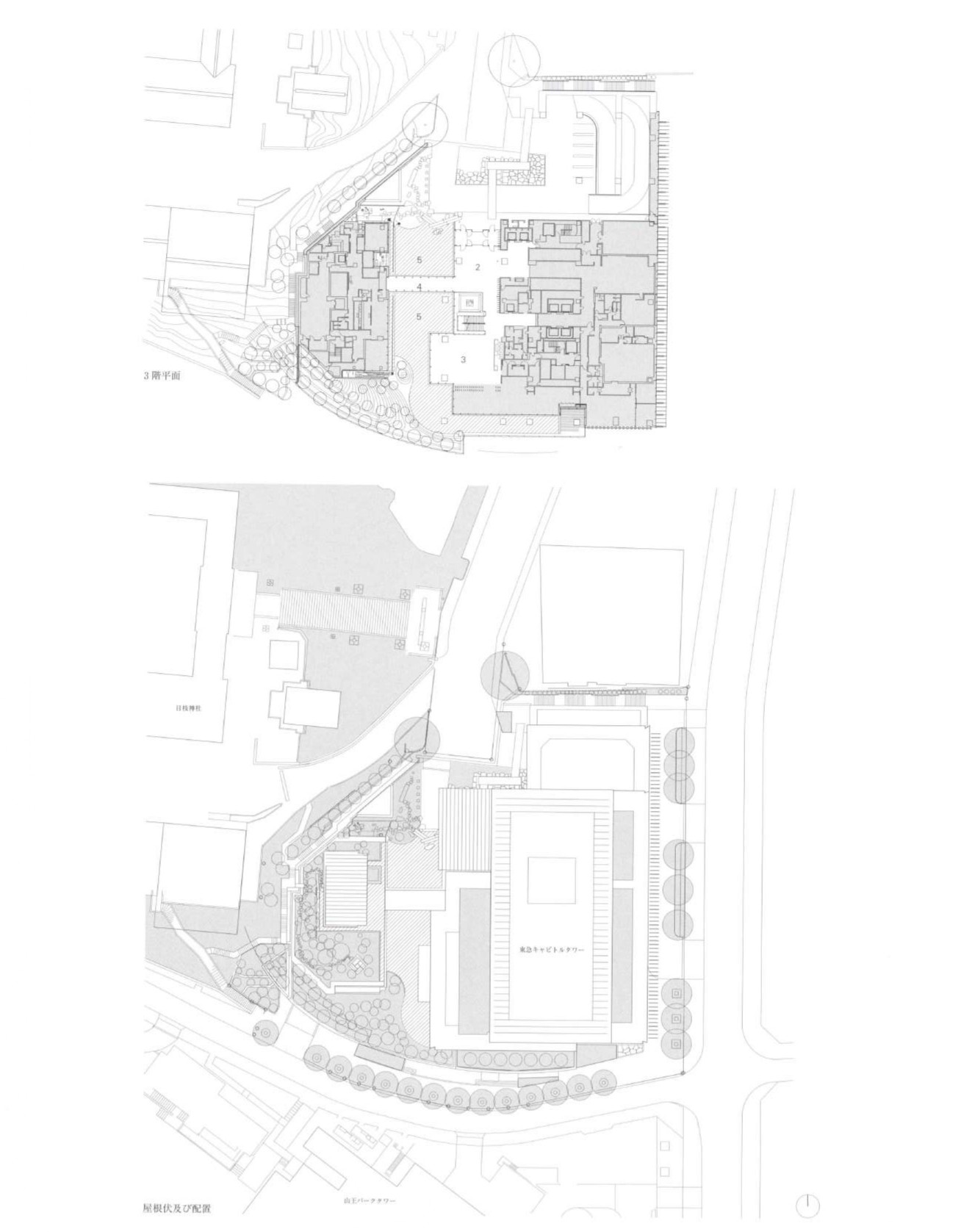
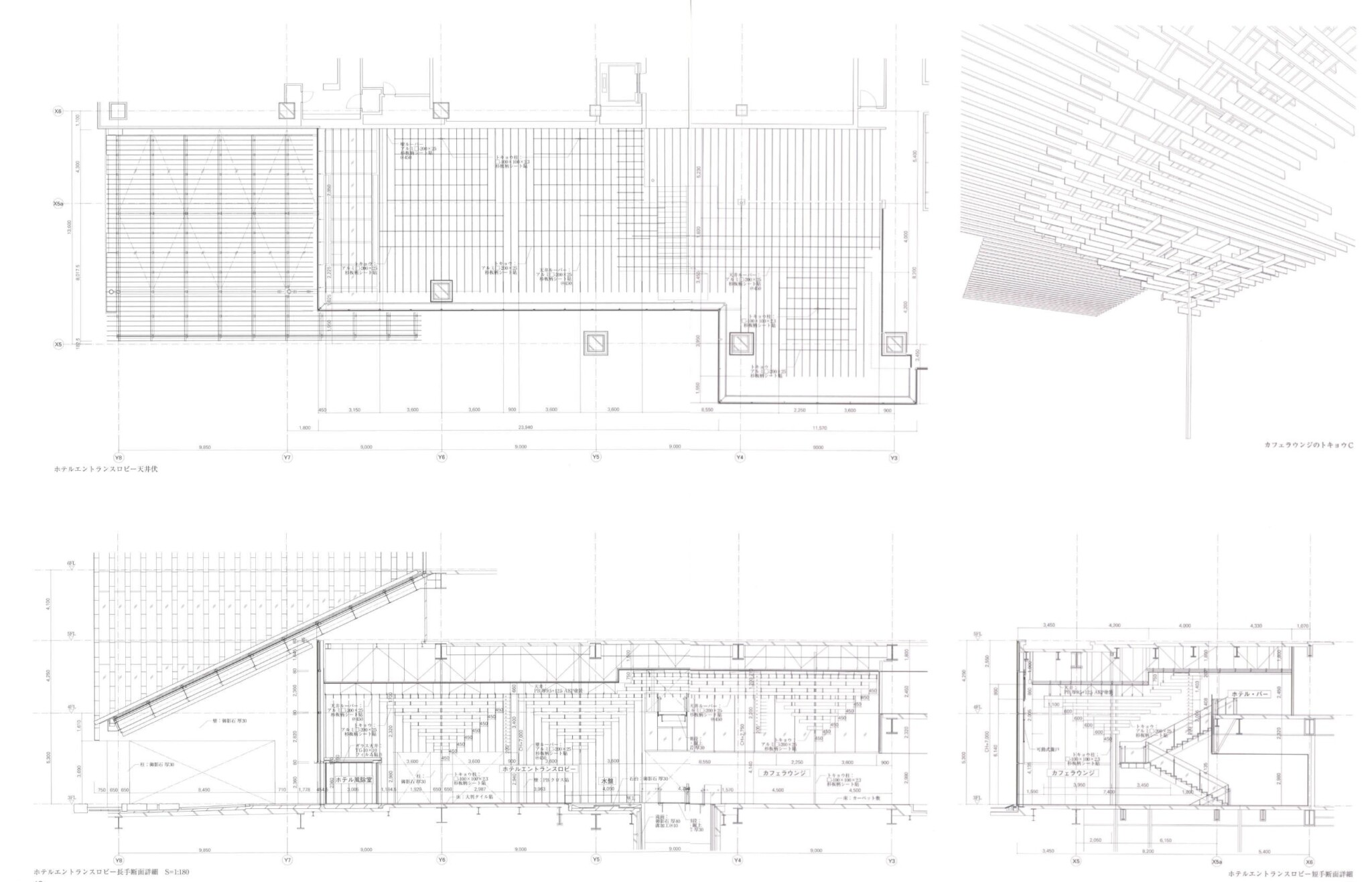
In the hotel’s lower levels, the vocabulary of the “eaves extension,” the “detached pavilion,” and the “greening of the rooftop” was employed. Rather than confining the garden within the site, the environmental design was conceived as an extension of, and in continuity with, the forest of Hie Shrine. Within the interior spaces, in pursuit of a sense of “wooden tectonics” and “eave-like spatiality,” timber structural elements inspired by tokyō (bracket complexes) were inserted, introducing a secondary scale within the concrete skeleton. In the “detached pavilion,” an attempt was made to integrate the structure itself with the landscape through rooftop greening, while opening up a “void” between them. The screen in this space follows a design explored in Lotus House, in which stone is directly suspended by metal.
By layering these approaches, the possibility of applying to large-scale architecture the method previously explored in smaller projects—transforming the material itself into a screen—was pursued.
Design: Design Collective of Tokyu Architects & Engineers INC and Kanko Kikaku Sekkeisha
Design Supervision: Kengo Kuma & Associates