Incline to Forest
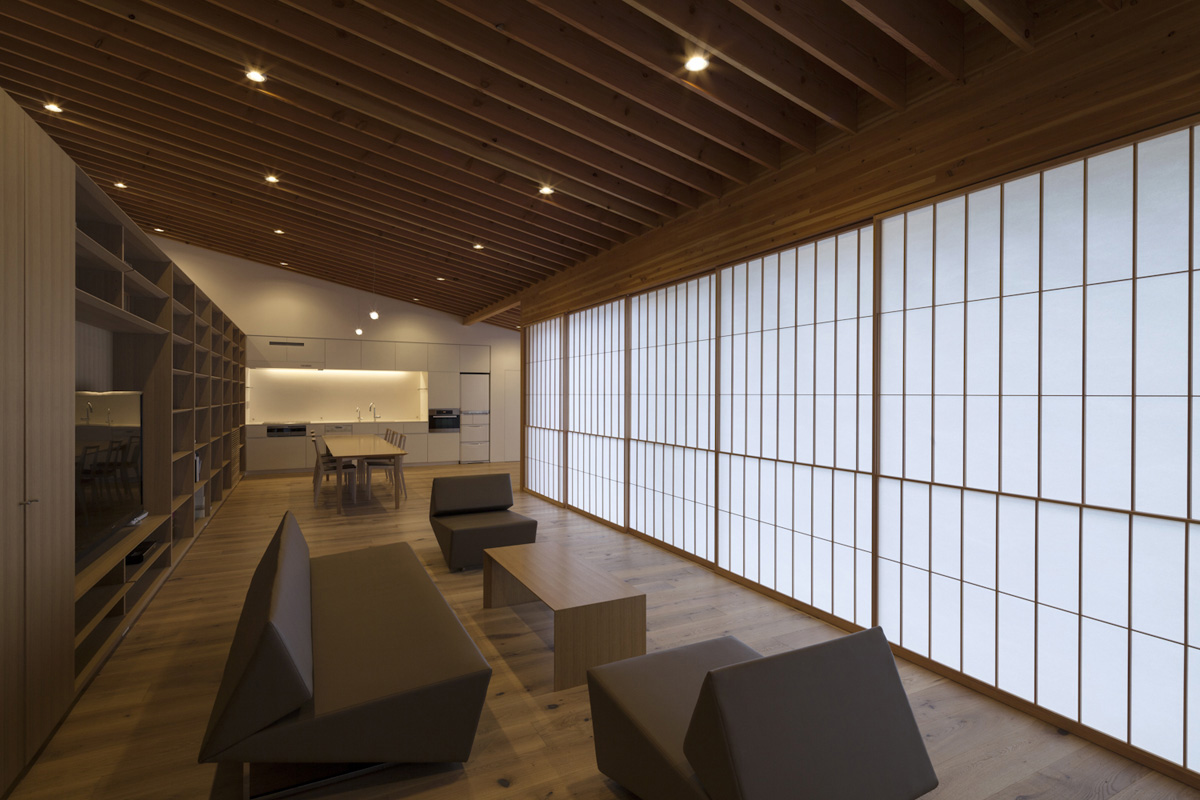
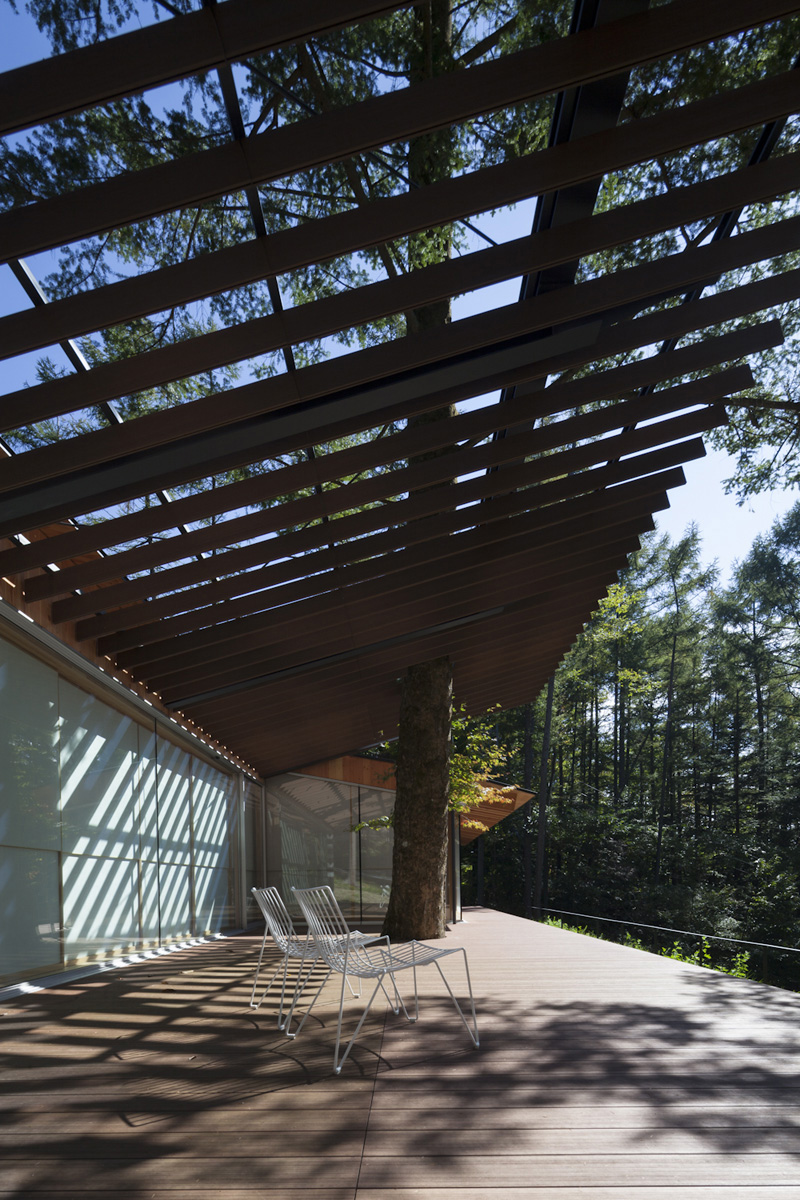
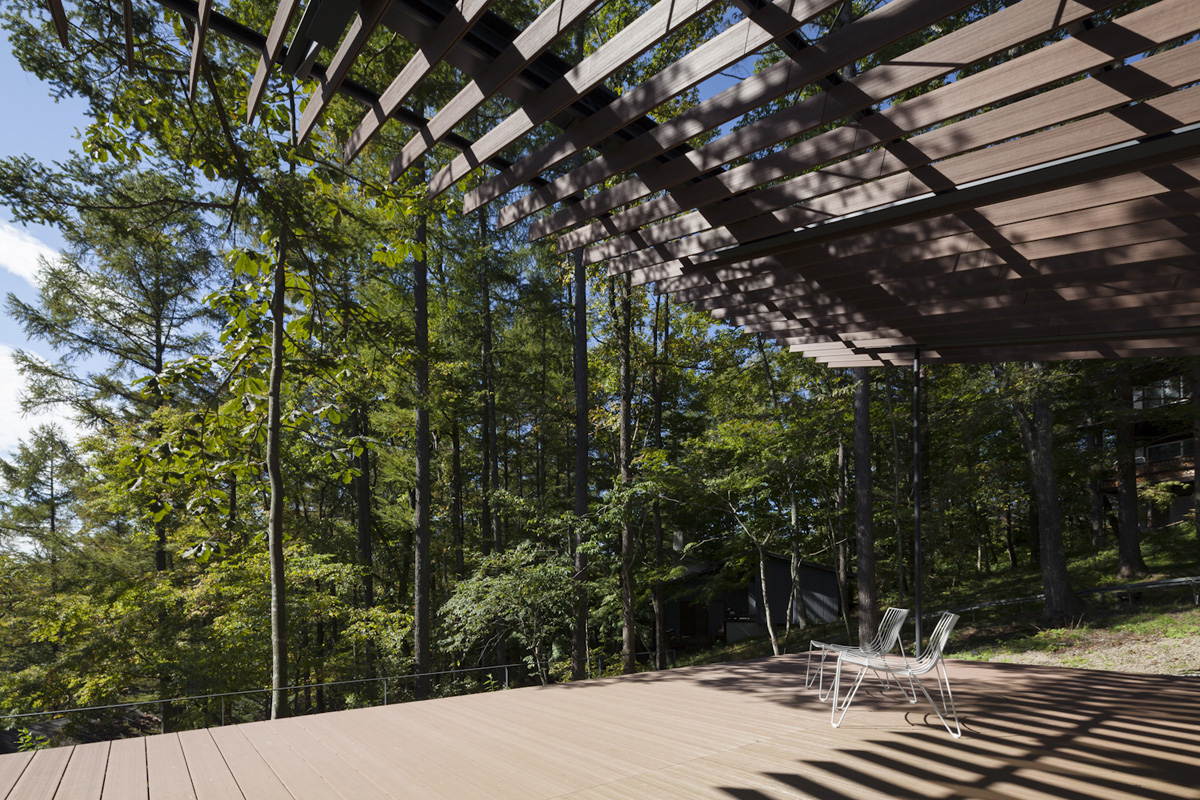
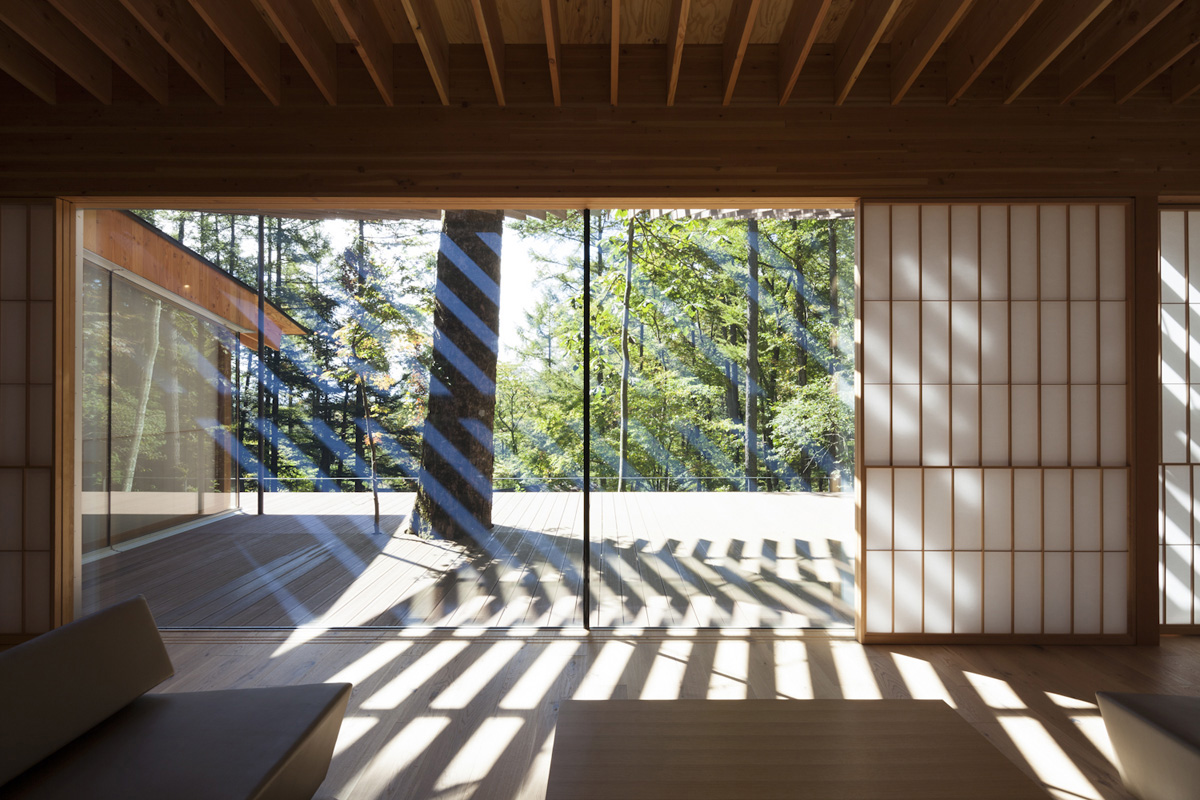
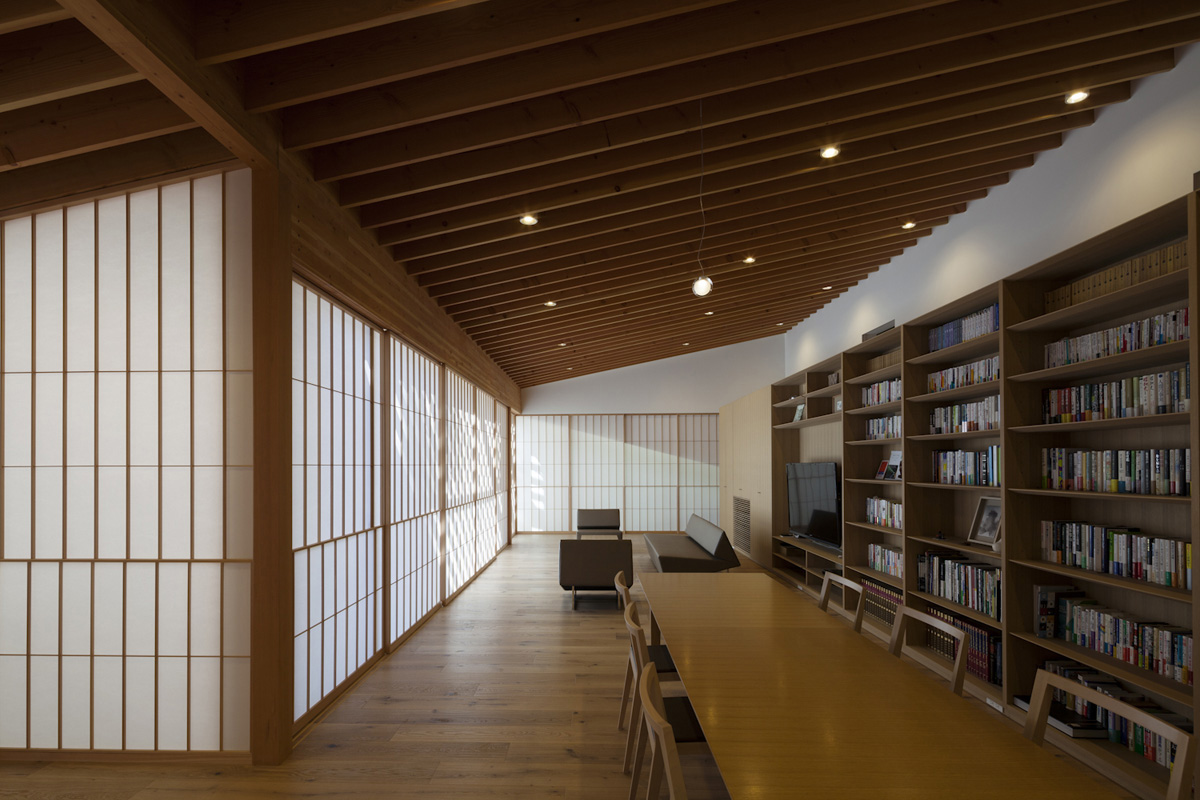
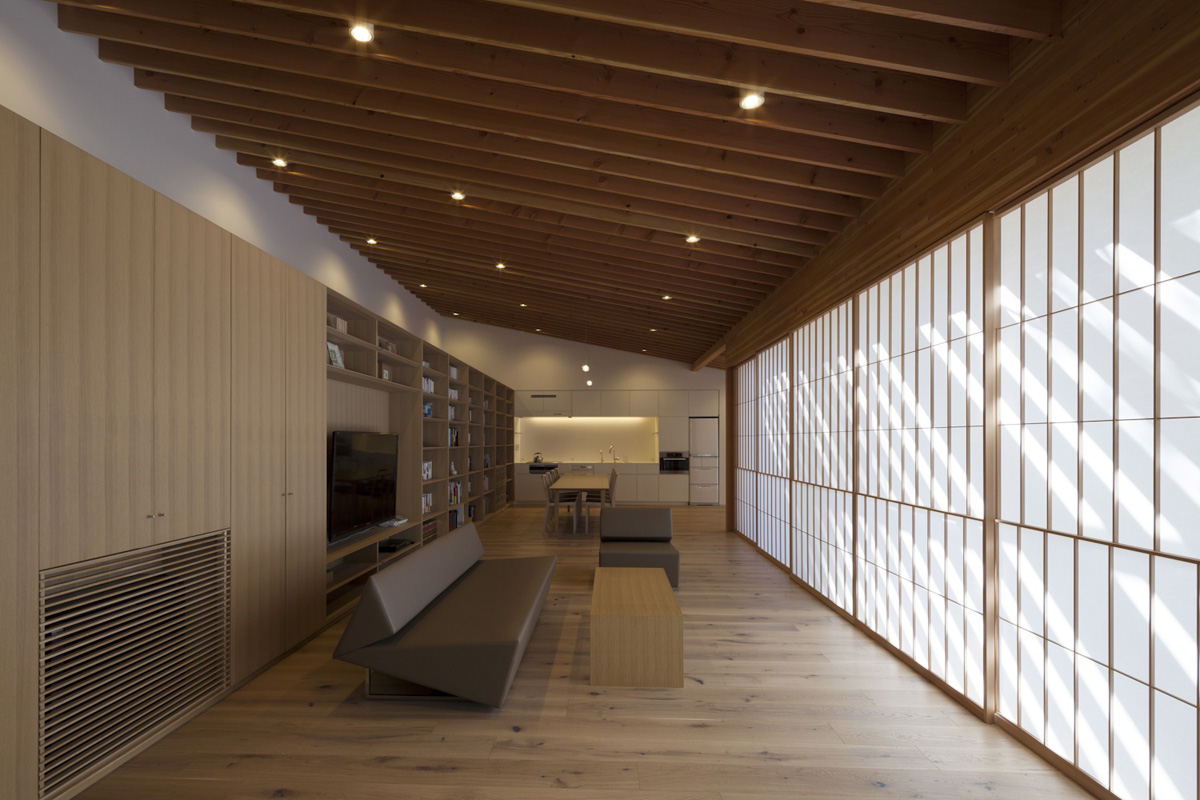
This project explores how architecture can be grounded on a sloped forest site. A slanted roof was placed in reverse inclination to the natural slope, and a large horizontal balcony was positioned at the center where the two slopes intersect, establishing a symmetrical axis. Through this balance of opposing inclinations, the structure achieves a form of equilibrium with the terrain. A vertical tree, twenty meters tall, pierces through these three surfaces, reinforcing the dialogue between architecture and the natural slope.
The use of slanted planes serves as a medium to generate interaction between the building and the ground. This work responds to the existence of a sloped terrain by embracing the concept of inclination as an architectural gesture.
The plan adopts an L shape, deviating from the autonomy often favored in villa architecture, which traditionally uses square or rectangular forms. By choosing an L shaped plan, the building intentionally avoids autonomy and instead adopts a tilted spatial composition. In a broader sense, the L shape represents a tilted configuration, similar in principle to the traditional Japanese staggered plan, which is also based on oblique alignments.
This form allows for the placement of shear walls near the intersection of the L, thereby removing structural elements from the forest-facing openings and achieving greater transparency. The staggered plan in Japanese tradition also embodies an approach that seeks to reconcile seismic performance with visual openness.
*not available for publication