Kengo Kuma : Onomatopoeia Architecture at Venice
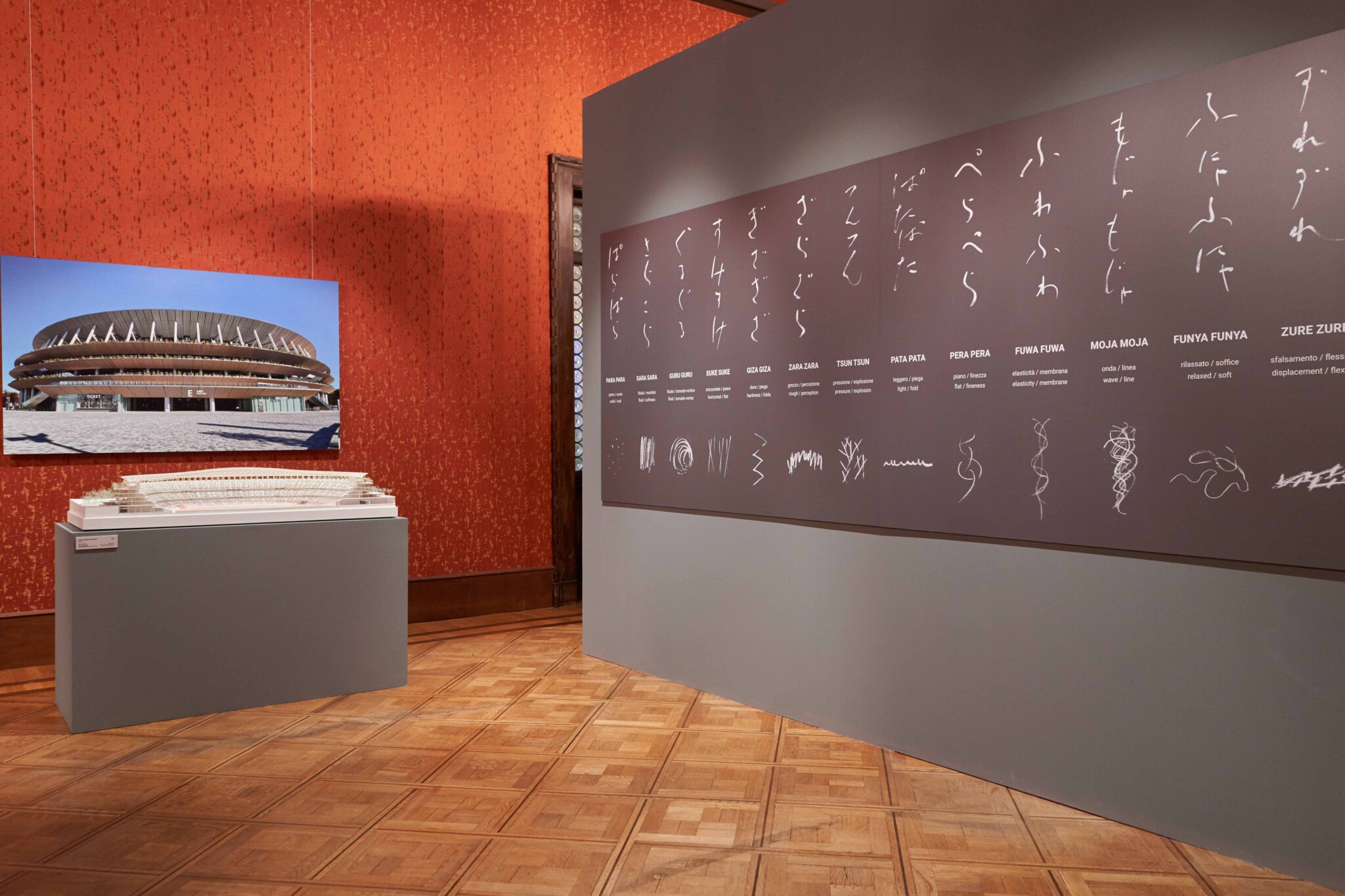
Onomatopoeia is a linguistic tool we frequently use when describing our projects. We are interested in the dialogue between materials and humans, and onomatopoeia is incredibly effective in facilitating that conversation.
The use of onomatopoeia is a critique of both the language of Modernism and the tendency to treat architecture as a mere “art object.” We use it to ensure that architecture remains free from the constraints of rigid logic and avoids homogenization. While language typically serves to define or clarify, onomatopoeia has no intention of defining; it deliberately resists such clarity.
I often use onomatopoeia when communicating with my staff, which often results in responses that slightly diverge from my initial thoughts. I expect—and hope—that my “ambiguous” messages will lead them to provide answers that go beyond what I imagined or offer a subtle, productive deviation from it.
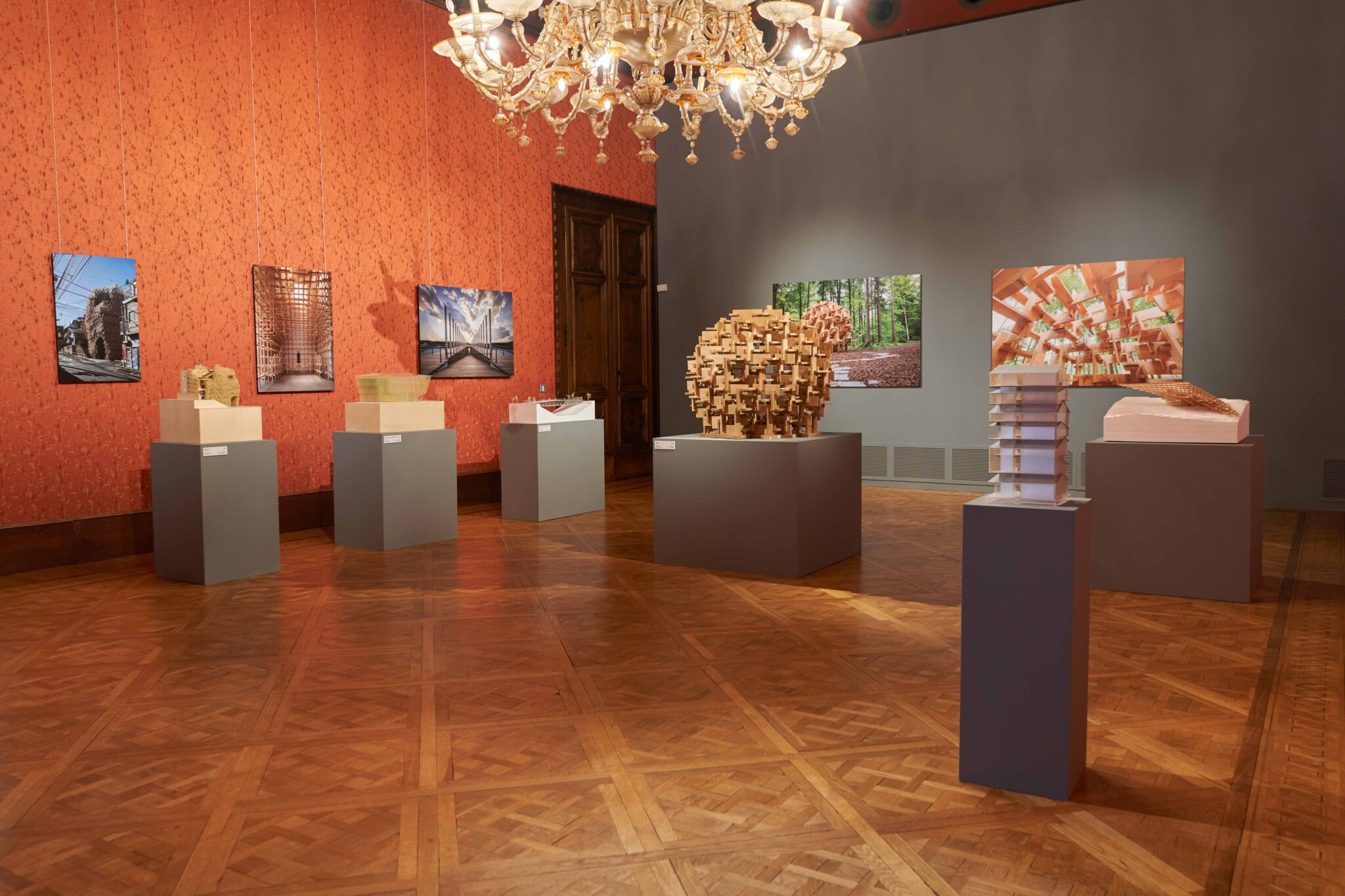
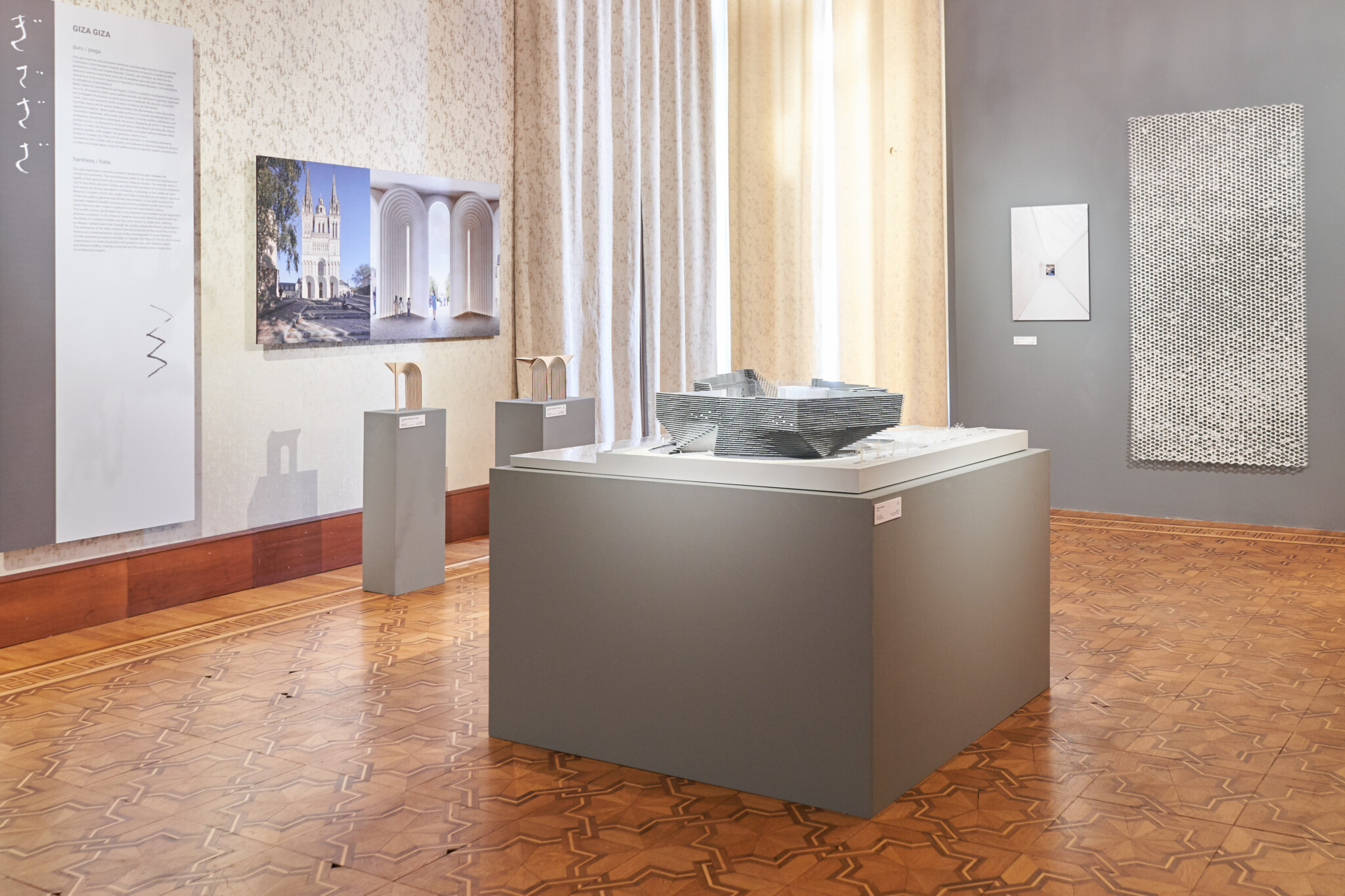
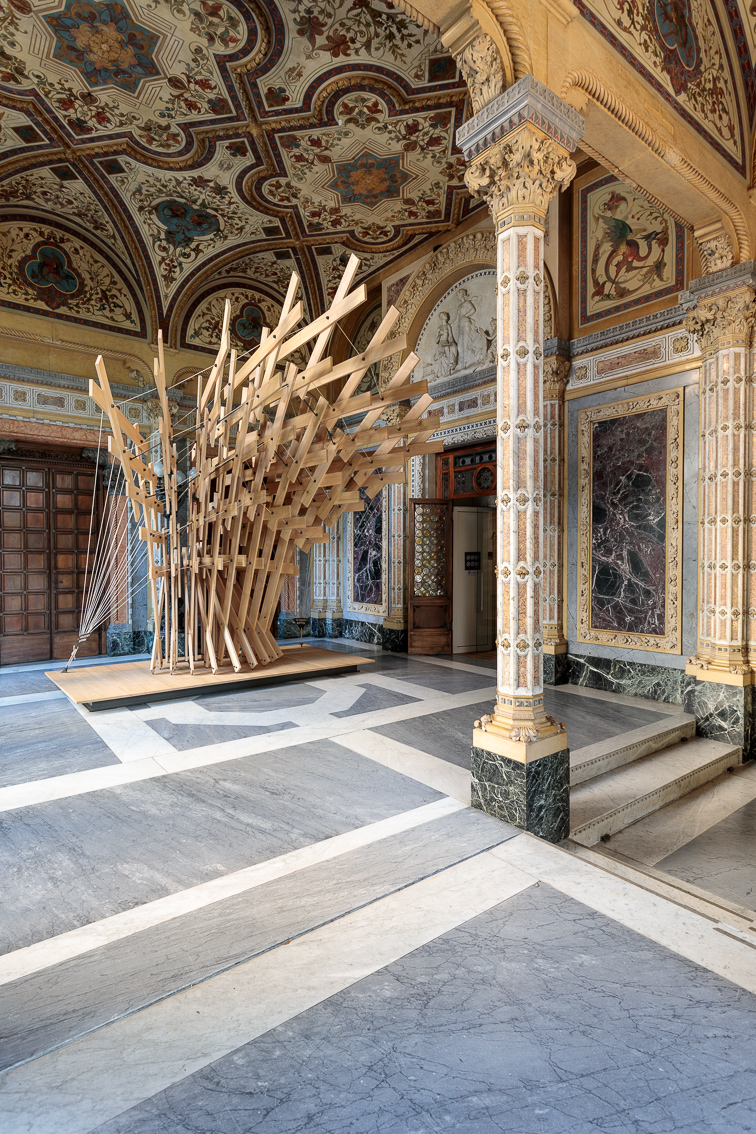
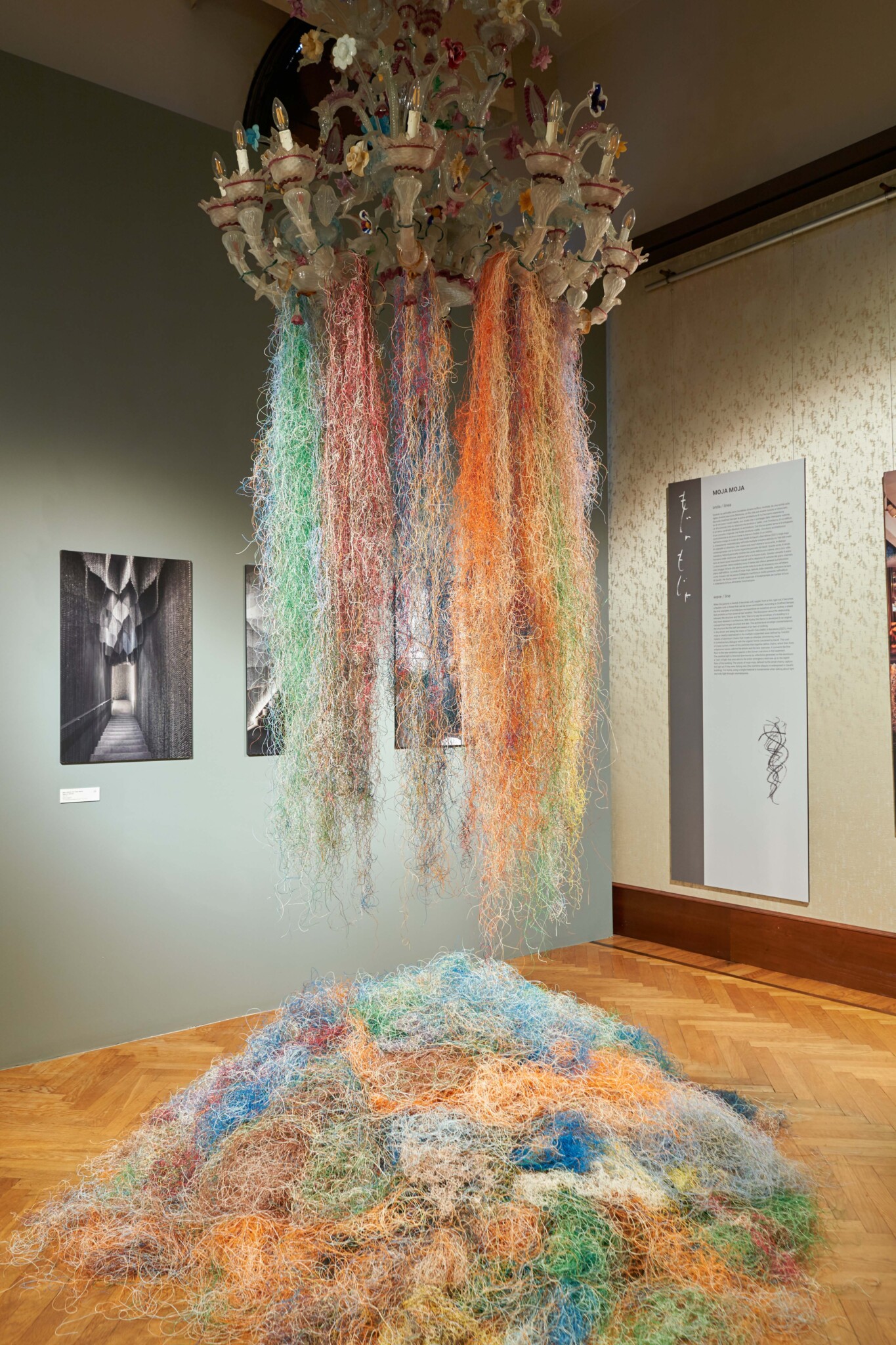
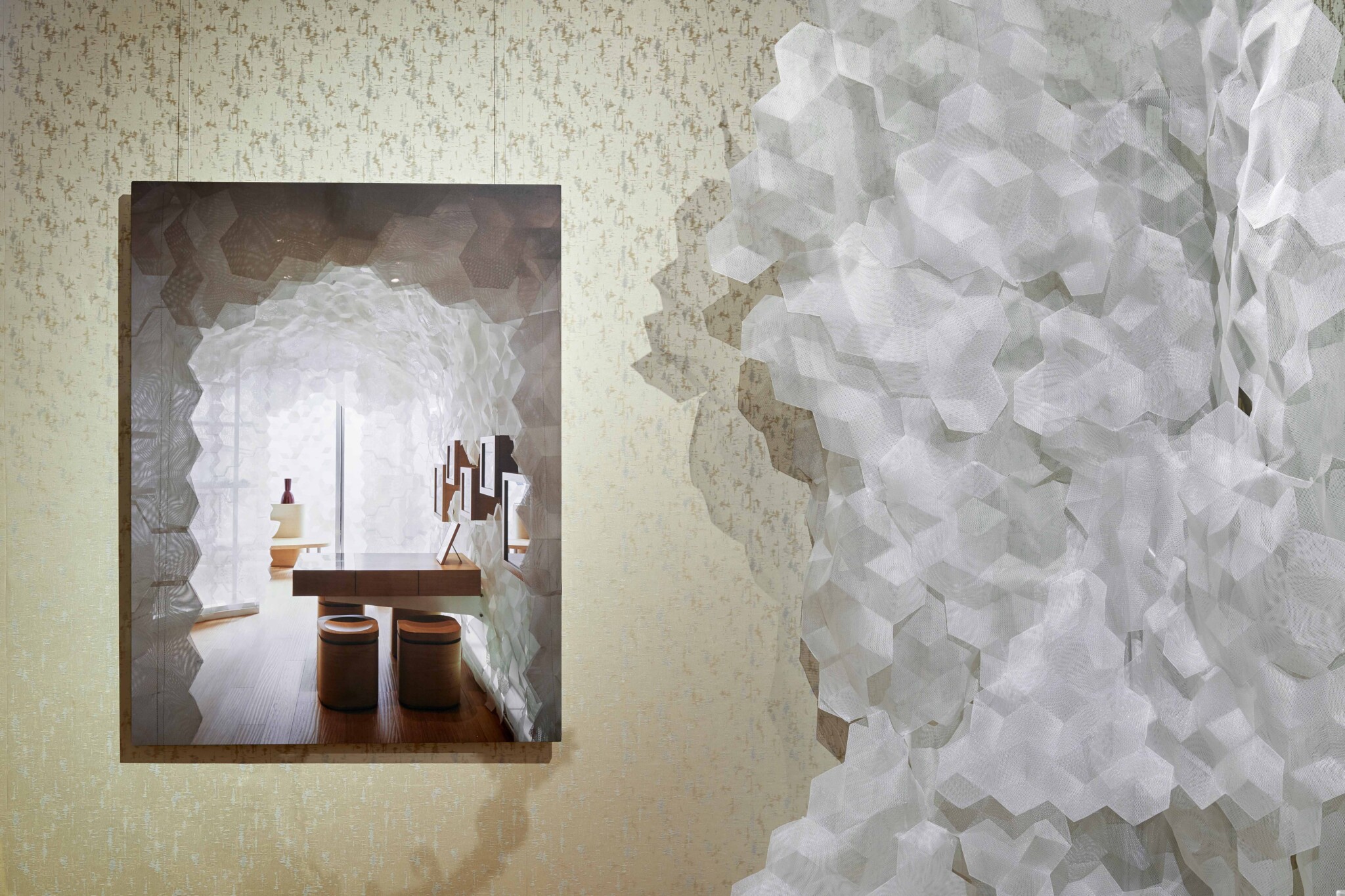
Palazzo Franchetti in Venice is a historic building co-owned by the grandson of Spanish painter Antoni Clavé and an Italian exhibition commissioner. I was deeply interested in how a KKAA exhibition would reflect within an interior characterized by Murano glass chandeliers, heavy velvet curtains, and ornate moldings. By categorizing our architectural models by onomatopoeia and placing them throughout the divided rooms, we found that they harmonized far better than imagined. The thirteen onomatopoeic terms used here express the texture of materials, the movement of light and wind, and human physical sensations.
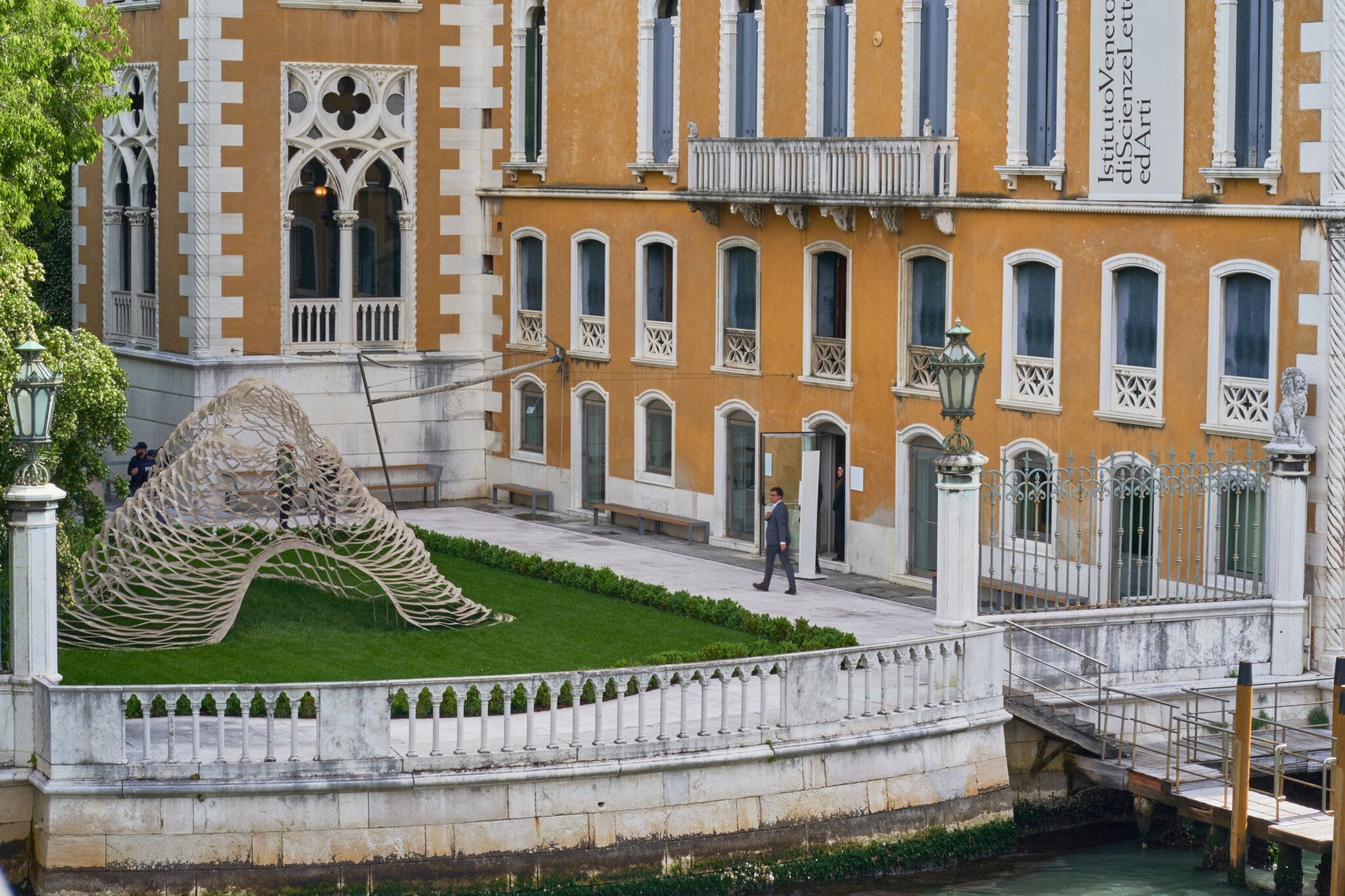
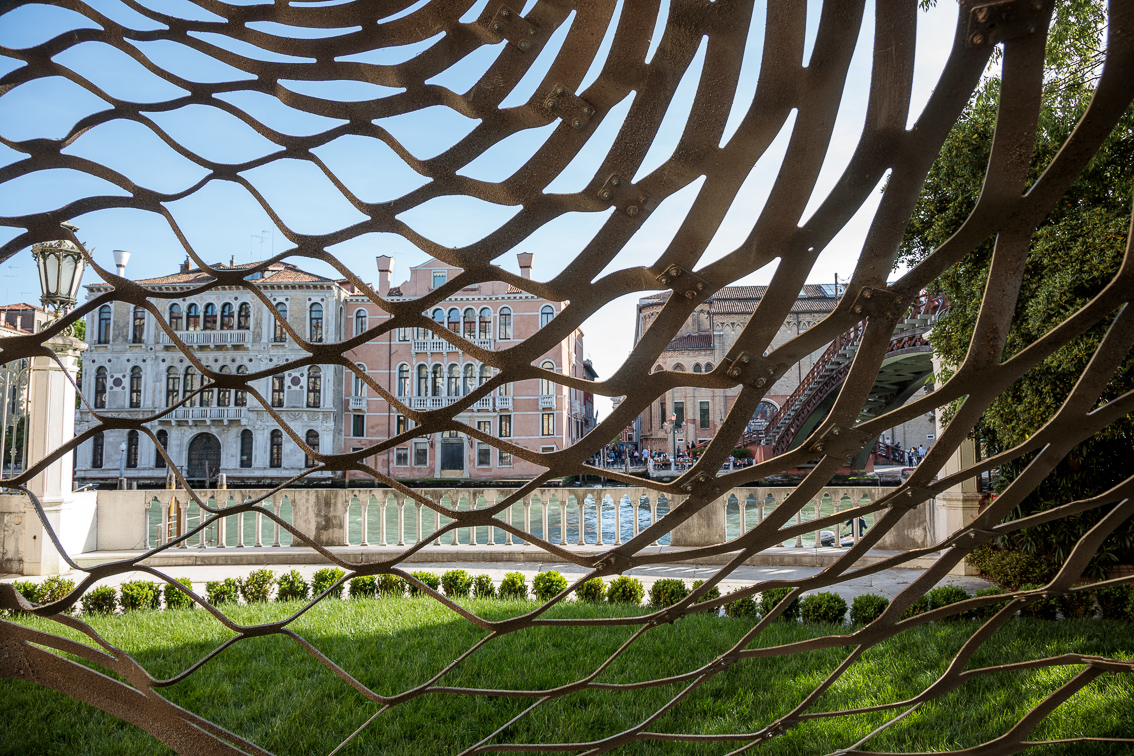
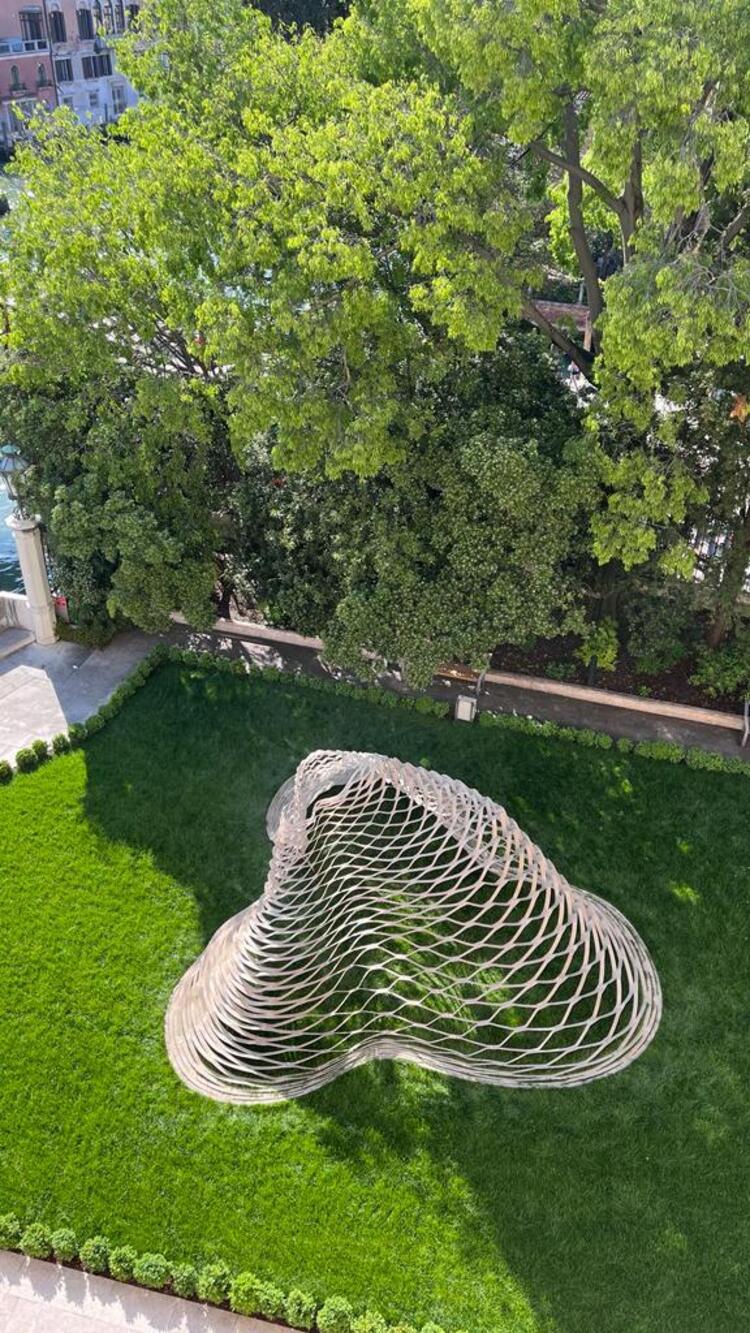
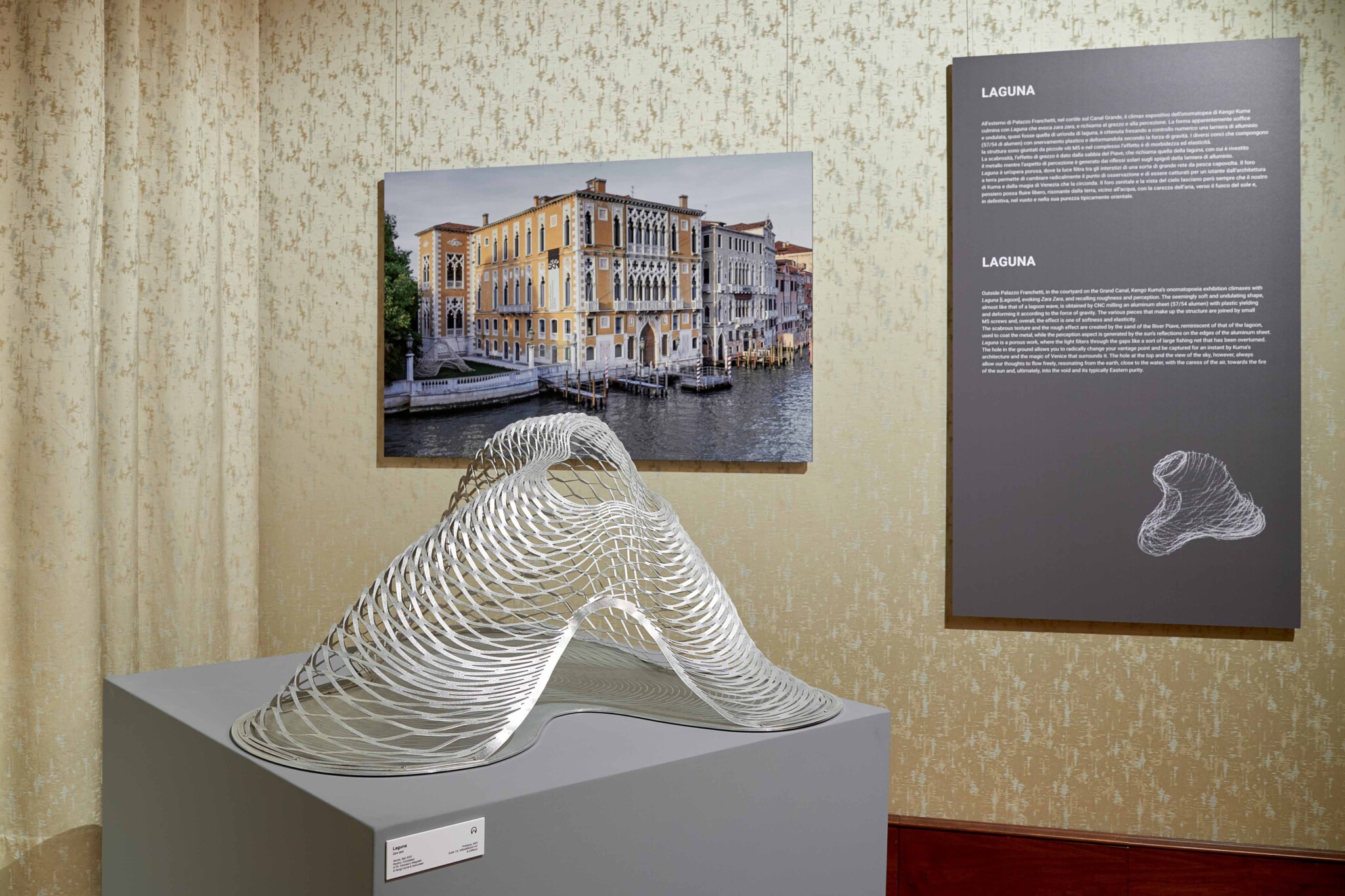
Of the two pavilions designed for this exhibition, “Laguna” was installed in the garden facing the Grand Canal. The rough surface (Zara Zara) of the expanded metal, coated with Venetian sand, caught the reflection of the canal, making every single grain shimmer beautifully.
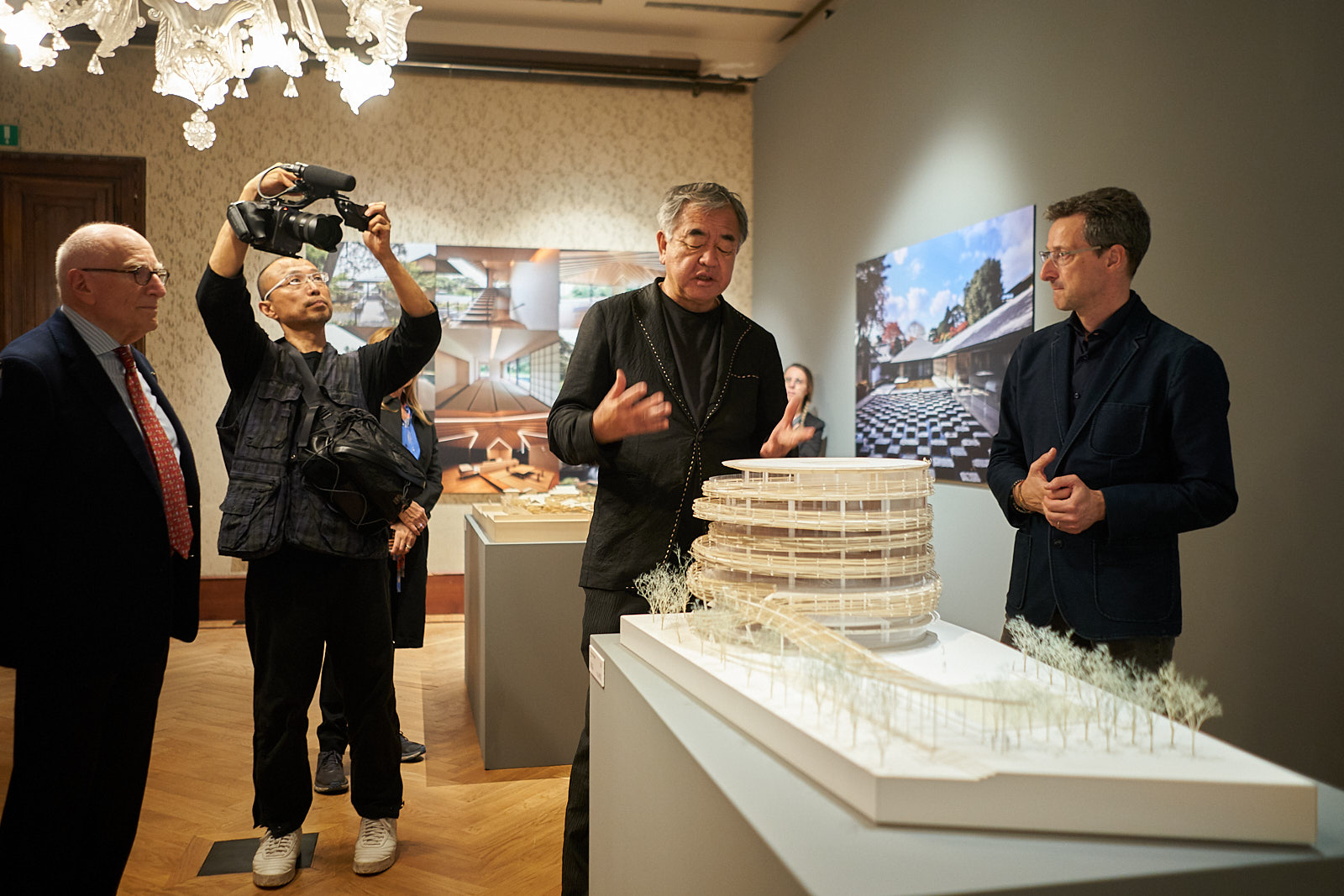
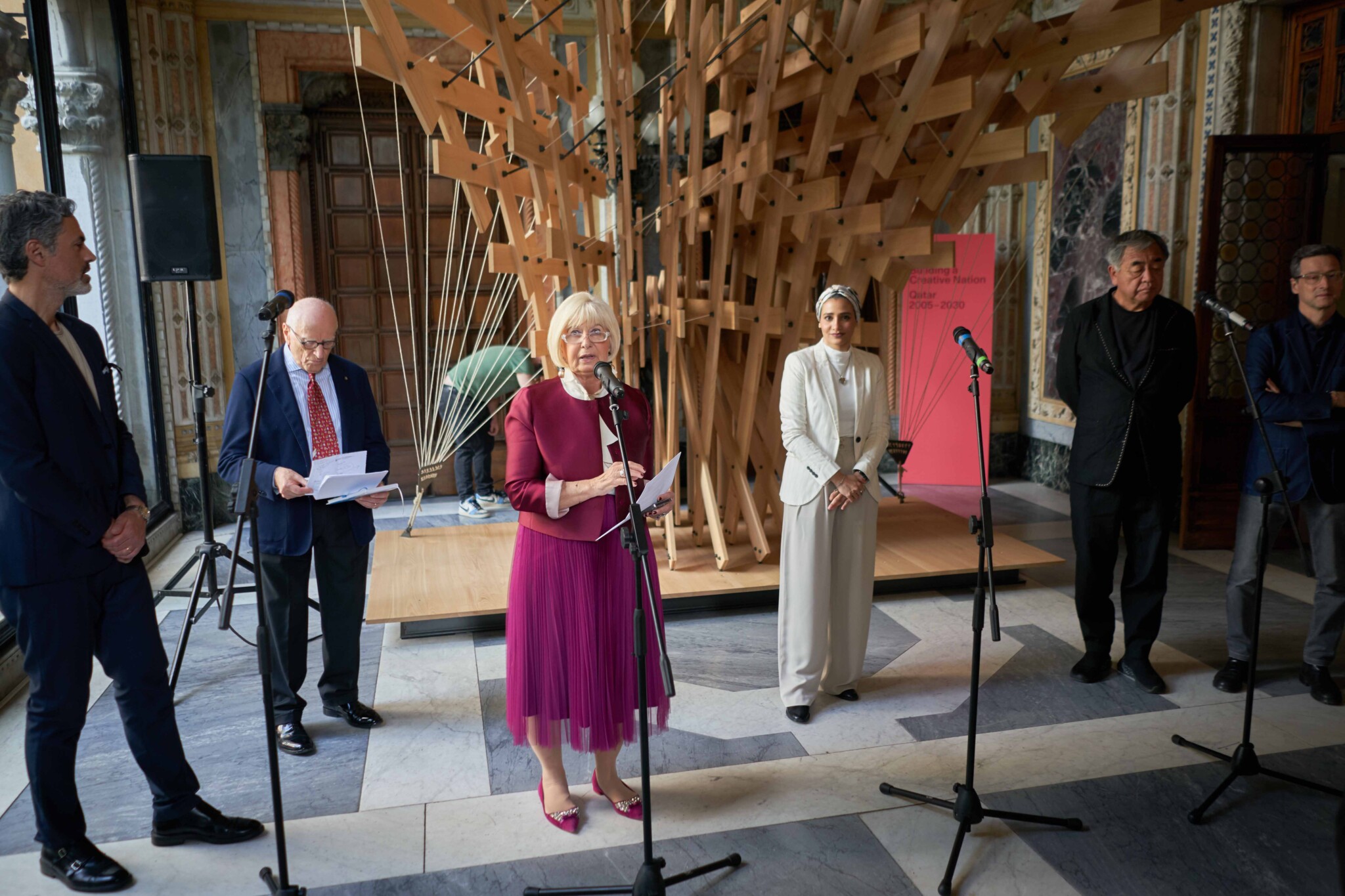
Timed with the Biennale, the exhibition was a great success. Perhaps our “Onomatopoeia Architecture” resonated so well with the Italians—who communicate with such rich gestures—because of its intuitive nature.