Sanlitun Soho
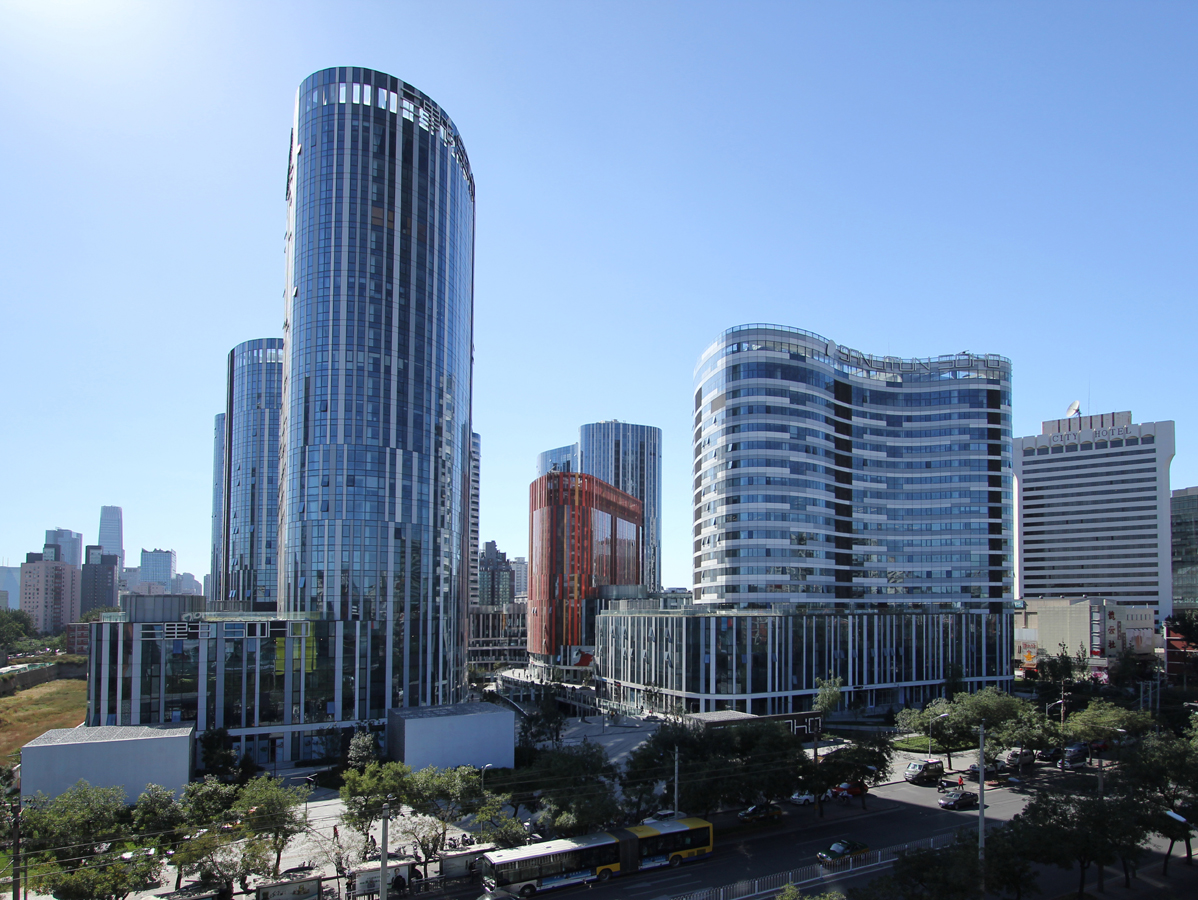
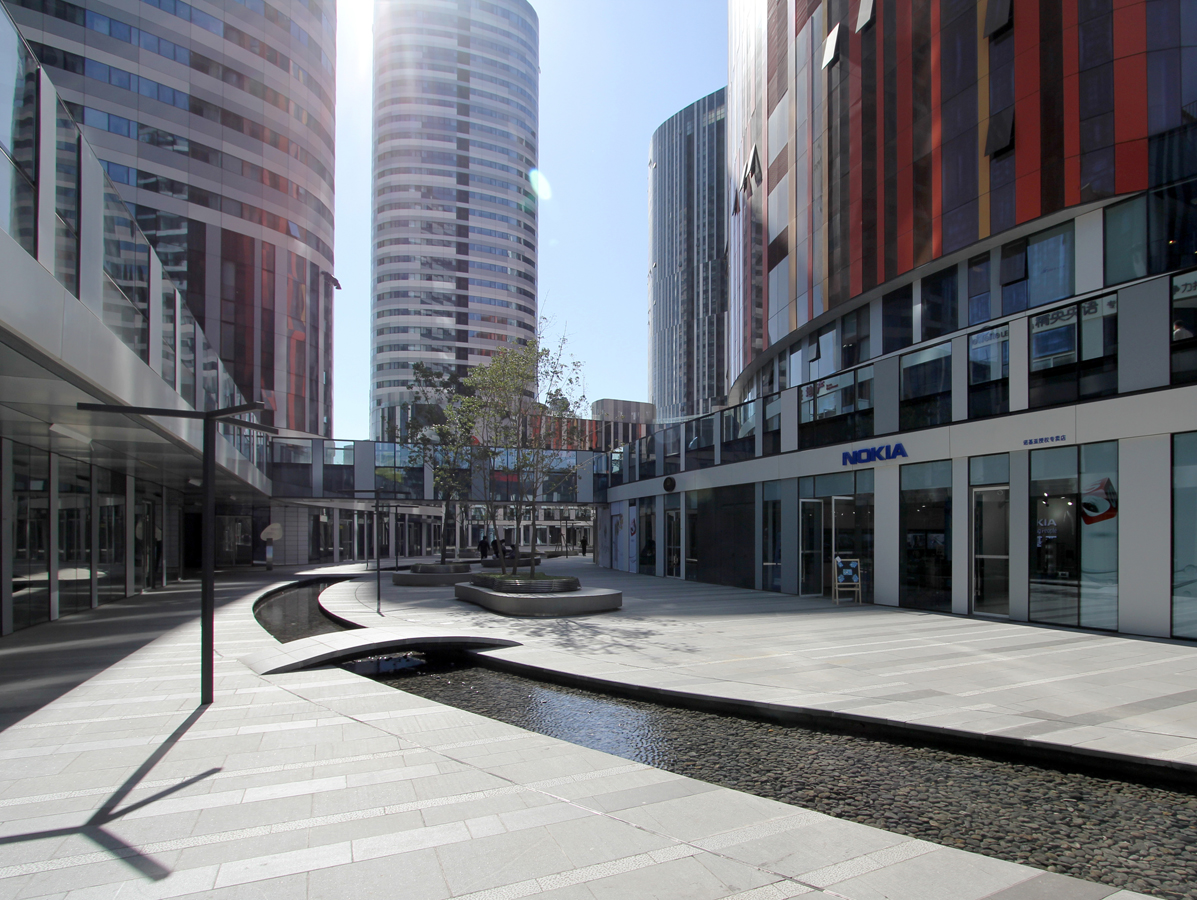
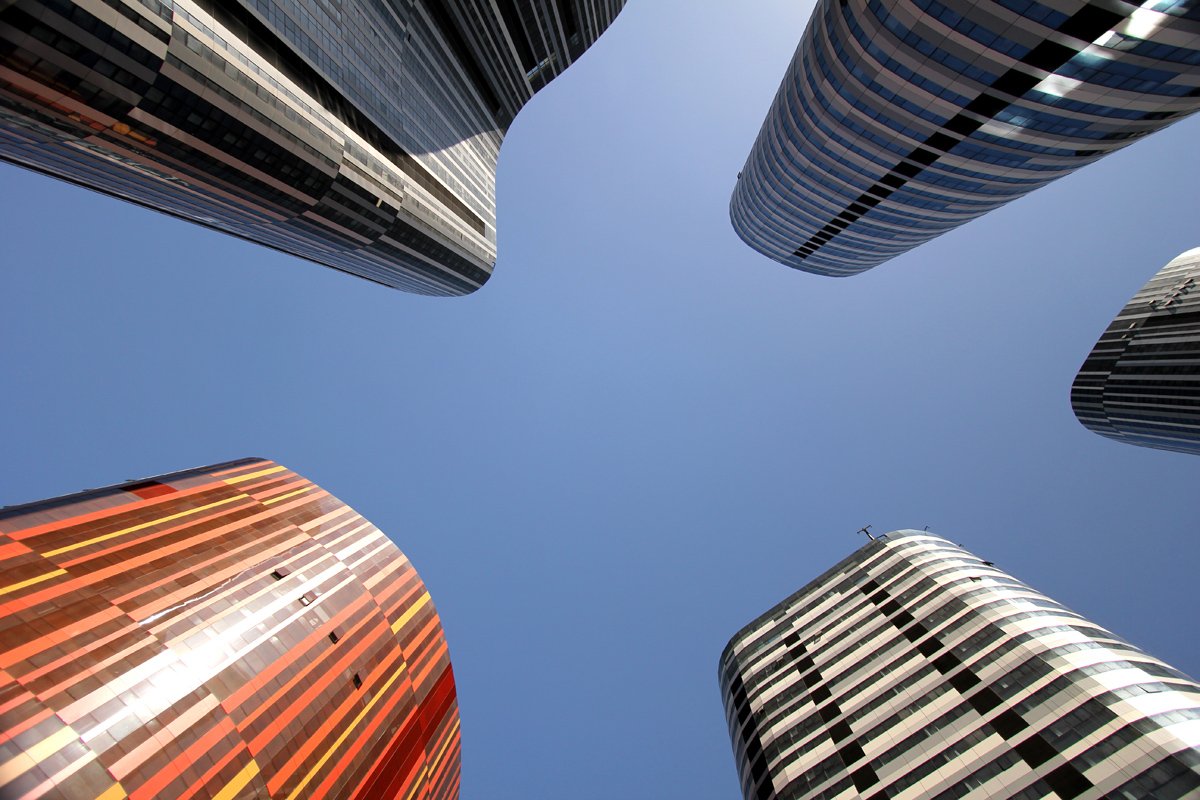
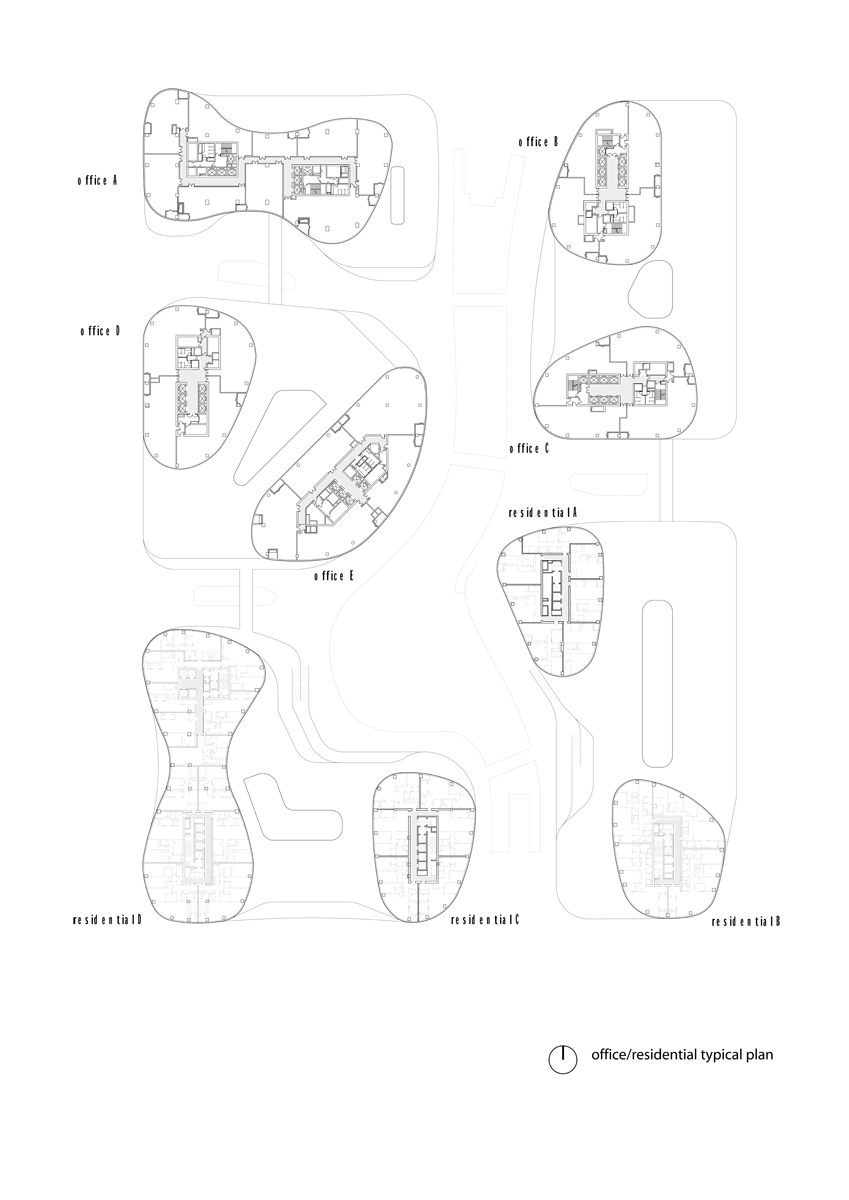
The aim was to create a village of towers. This was not simply about clustering a group of organically shaped high-rises but about exploring the potential of the spaces between them. These interstitial spaces, or urban valleys, were imagined as active zones where light, wind, and people move freely. Rather than focusing on the towers as isolated objects, the design emphasized how their placement could shape the surrounding environment and encourage new forms of urban activity.
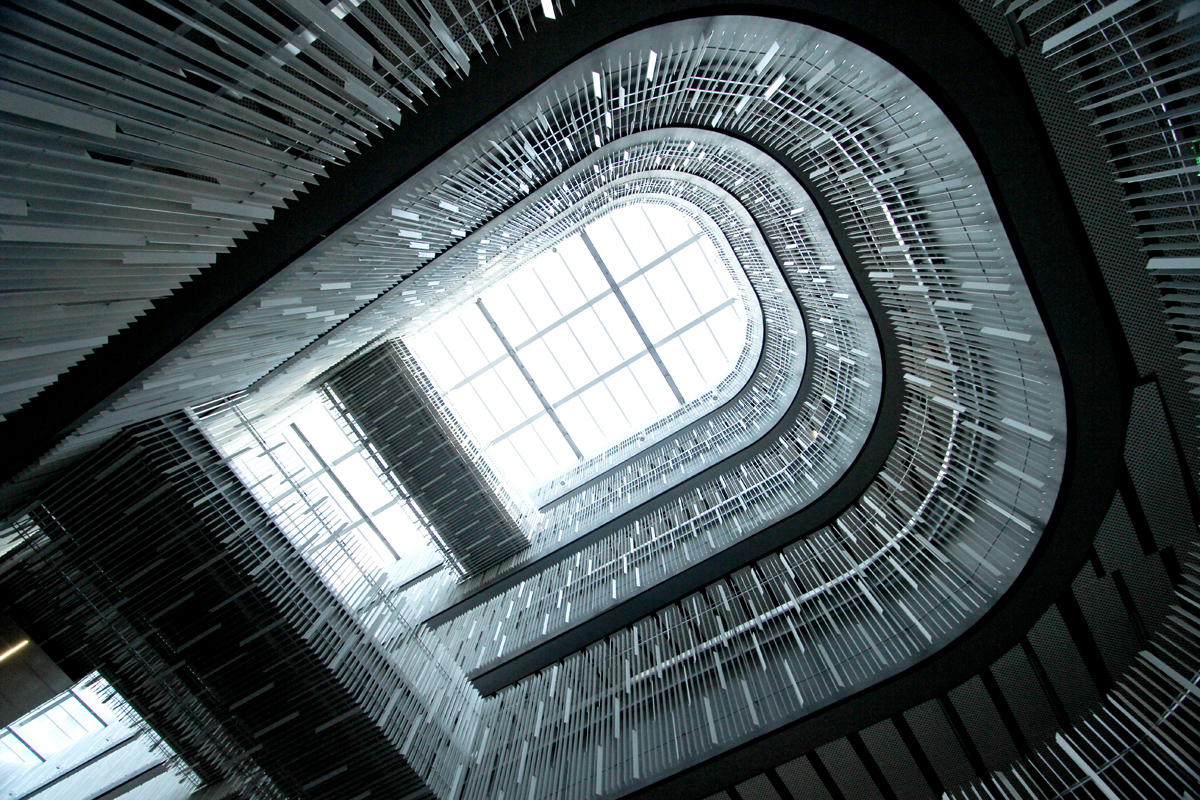
To support this concept, the individual identity of each tower was minimized, and instead, the voids between them were given a stronger architectural presence. All towers were designed to be 100 meters in height, and their surfaces were unified through a shared texture. Rather than applying conventional façade systems such as ribbon windows, vertical bays, or regularly spaced punched openings, the façades were reduced to randomized aggregates of slender vertical particles. We have consistently pursued the attempt to reduce surfaces to floating particles in our low-rise work. This time, we extended that approach to high-rise buildings, and furthermore expanded it from the surface of a single tower to the collective surface of the entire group.